
$8.95
 <–
7 in stock
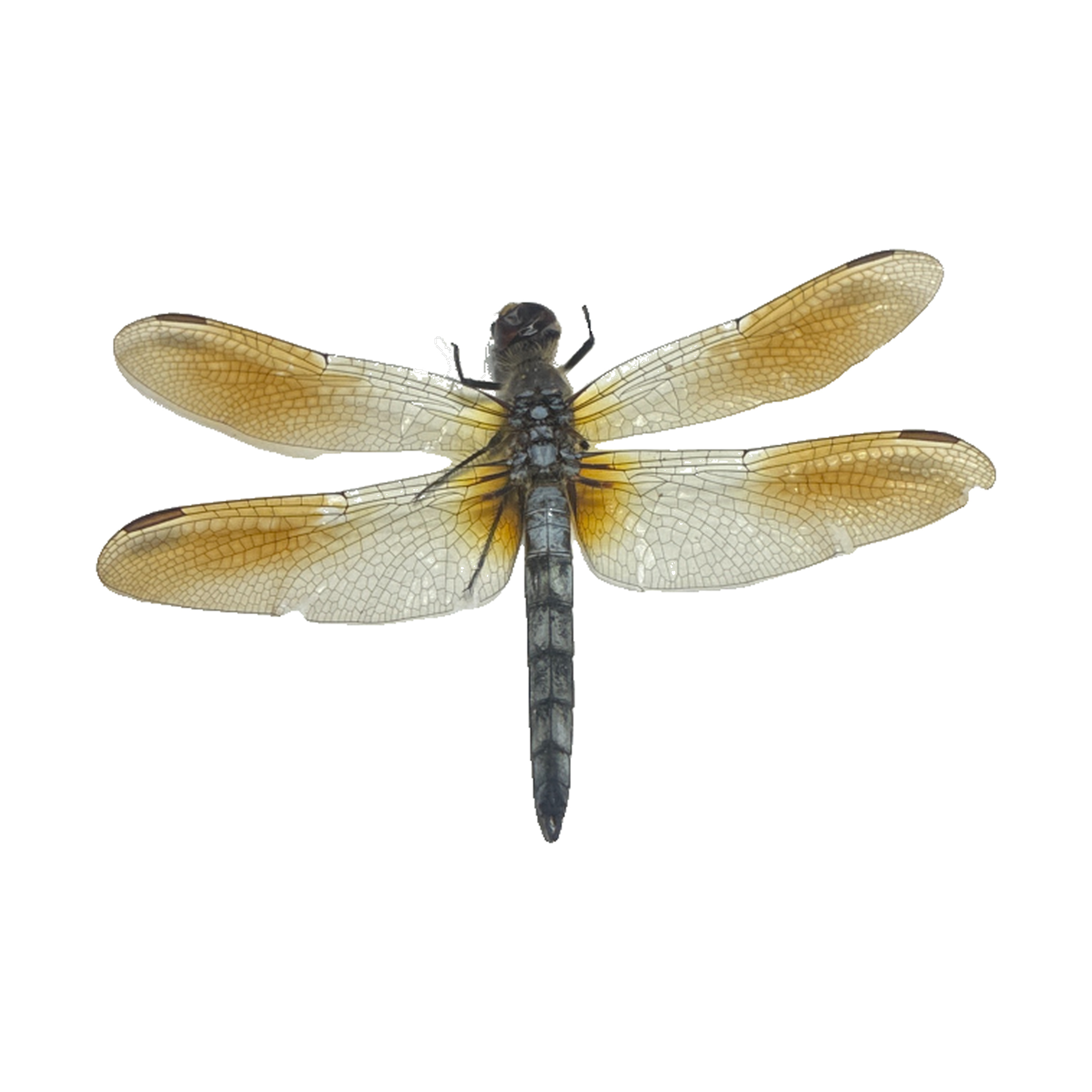
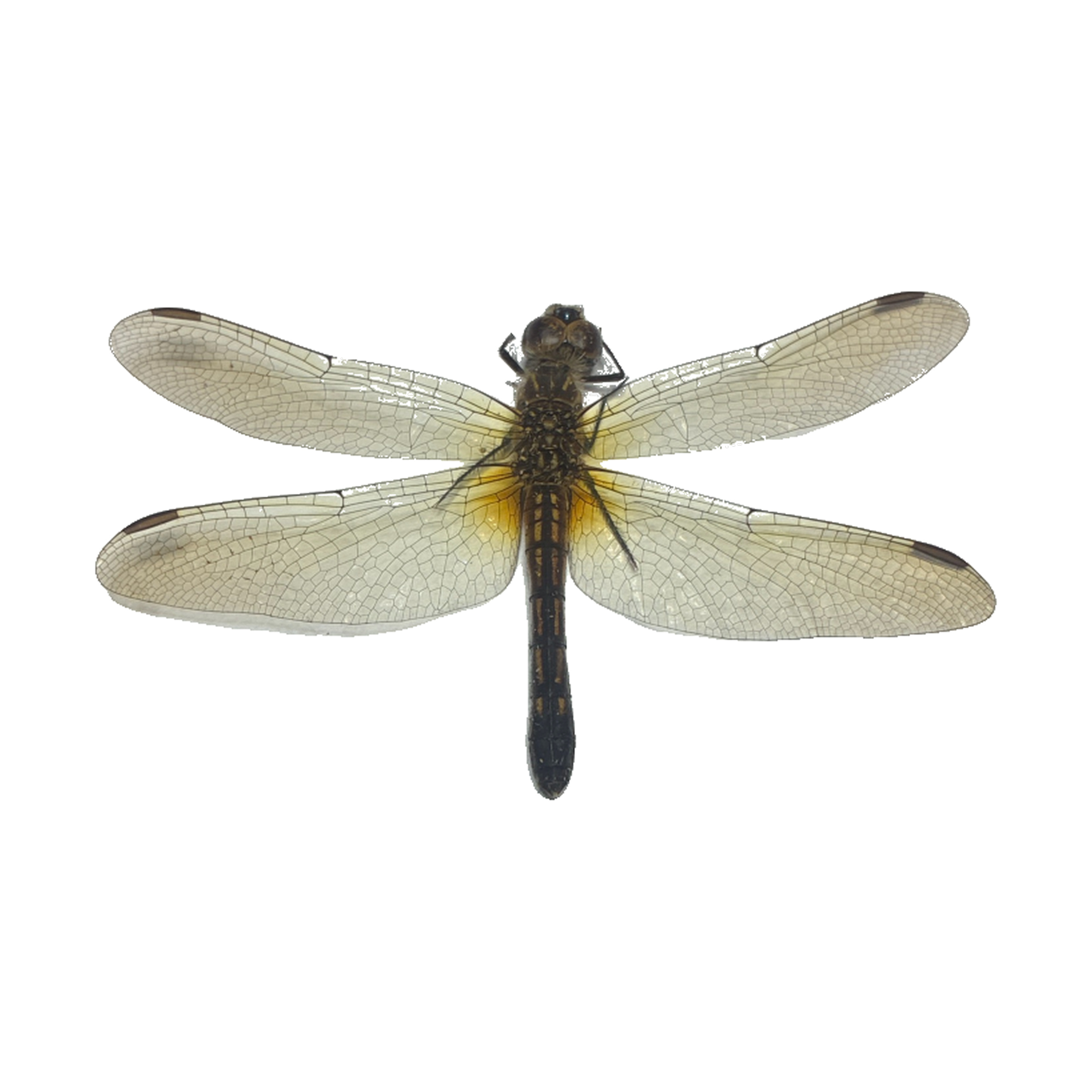
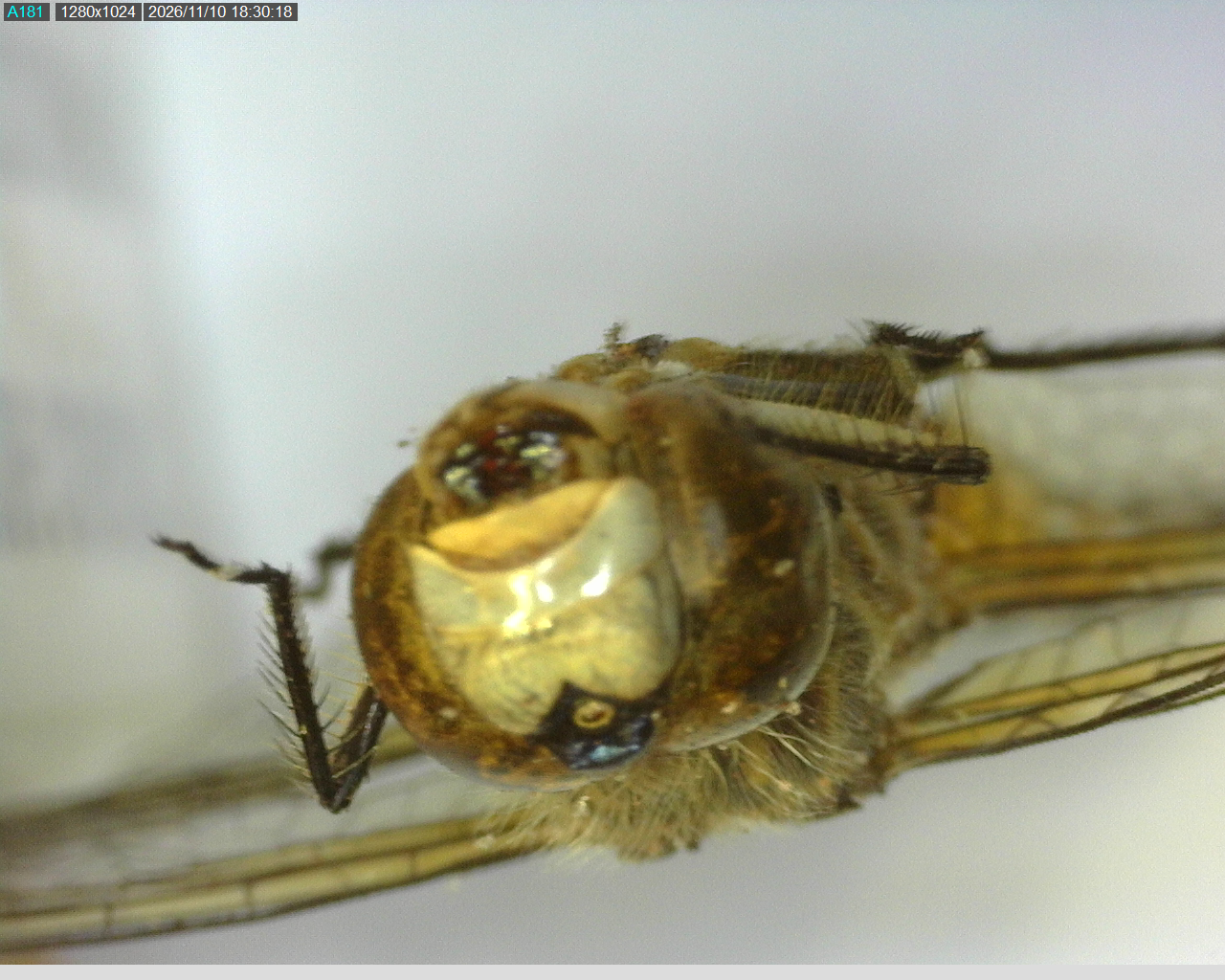
Whitefaces are small skimmers in the genus Leucorrhinia, about 28 to 37 mm (1.1 to 1.5 inches) long. They have a distinctive white or creamy face, a dark body, and usually amber or brown patches at the base of the hindwings. The abdomen is typically black, often with yellow spots or, in some males, a pale frosted or belted look near the base. Legs are dark. Males and females can look quite different, and colors change as the insect ages, so species in this genus are identified by close examination of the abdomen and terminal appendages. This listing is mixed males and females, sold as Leucorrhinia sp.
Whitefaces live at vegetated ponds, lakes, bogs, marshes, and sluggish backwaters. The genus is mainly northern, occurring across Canada and the northern United States, including Wisconsin. Several species occur in northern Wisconsin. Some of our specimens were collected in Douglas County, Wisconsin.
Adults often perch on the ground, on logs, or on low plants near the water. They are swift aerial hunters and prey on mosquitoes and other small flying insects. Males of some species defend small territories along the shoreline. Like other dragonflies, they catch prey in flight.
Whitefaces have incomplete metamorphosis, with egg, aquatic naiad, and adult stages. The naiads are aquatic predators in ponds and bogs. Adults of most species fly from late spring through summer.
Whitefaces are beneficial predators of mosquitoes and other small insects. They are not pests and have no significant economic impact.
Leucorrhinia Brittinger, 1850 belongs to the skimmer family Libellulidae. The common name “whiteface” refers to the pale frons. North America has about seven species, including the Dot-tailed, Frosted, Belted, Hudsonian, and Crimson-ringed Whitefaces. This is not the White-faced Meadowhawk (Sympetrum obtrusum), a different genus. Because species in Leucorrhinia are similar and change with age, these specimens are listed as Leucorrhinia sp.
This preserved specimen educates on dragonfly biology and wetland insects, suitable for displays or studies.
Check it out on BugGuide! https://bugguide.net/node/view/5350/bgimage