Spider silk is tougher than steel by weight and can stretch 30% without snapping.

Spider silk is tougher than steel by weight and can stretch 30% without snapping.
$2.00
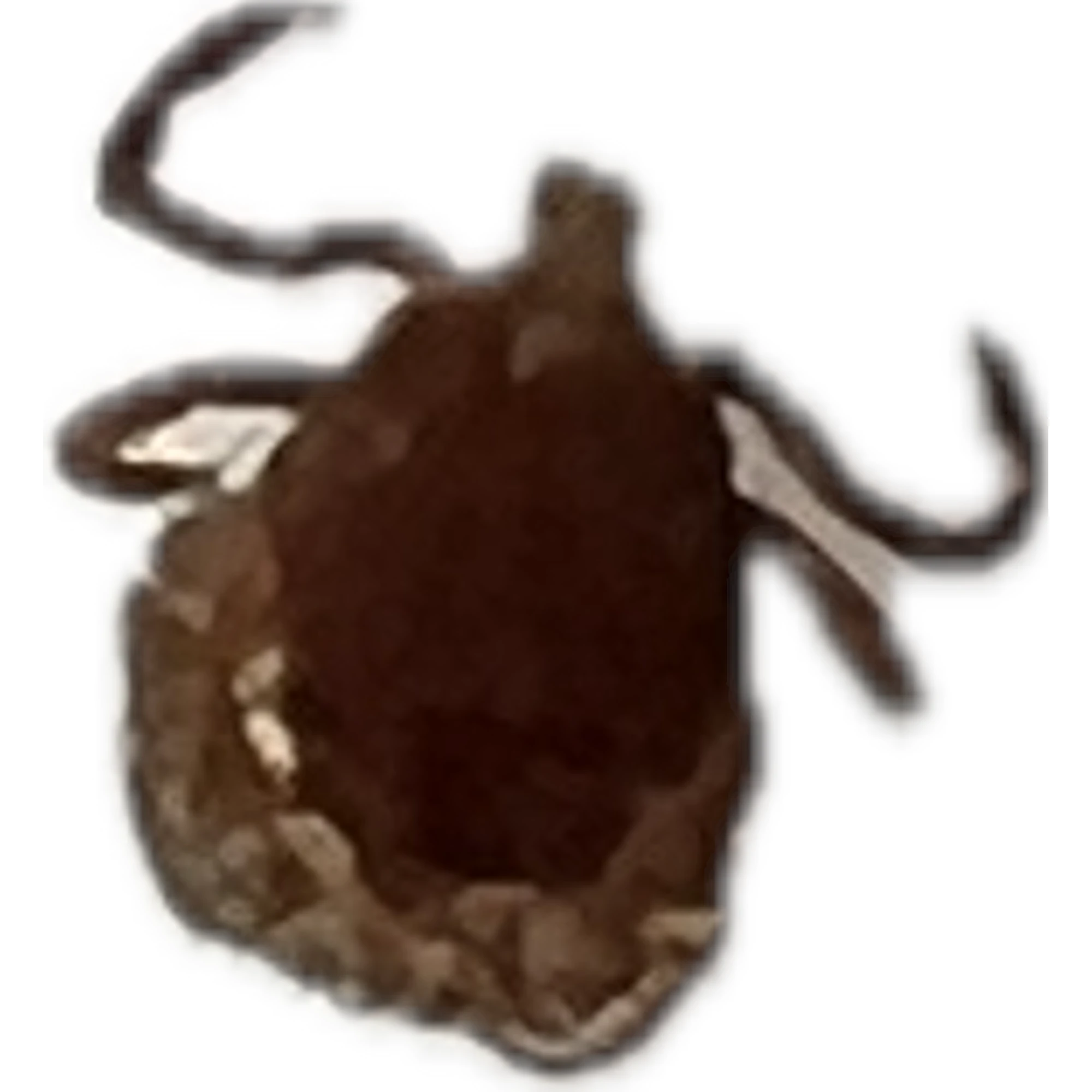
Immature ticks (Ixodida) include larvae with three legs and nymphs with eight. They feed on blood from vertebrates. Hard ticks have a plate above the head; soft ticks lack it.
All of our specimens are dead specimens
38 in stock
Immature ticks vary by stage. Larvae feature three pairs of legs and small bodies. After feeding, they molt to nymphs with eight legs. Adults reach about 3 mm unengorged, expanding to 30 mm when full. Hard ticks show a hard plate above the head directed forward. Soft ticks have leathery skin with the head on the underside.
Ticks inhabit worldwide environments, including all of North America. They act as external parasites on reptiles, birds, and mammals. Immatures often attach to small hosts in moist, vegetated areas like forests, grasslands, and near water bodies.
Young ticks quest for hosts by climbing vegetation and waiting with outstretched legs. They take one blood meal per stage, surviving months without feeding in suitable humidity. Immatures feed on smaller animals before molting.
The cycle includes eggs, larvae, nymphs, and adults. Larvae hatch from eggs laid by females, feed once on a host, then molt to nymphs. Nymphs feed once and molt to adults. Hard ticks complete this in less than one year in tropics or over three years in cold areas. Diapause may occur in stages.
Ticks rank as serious pests due to disease transmission. They vector Lyme disease, Rocky Mountain spotted fever, ehrlichiosis, babesiosis, tularemia, and more in humans and animals. This causes significant health and veterinary costs worldwide.
This preserved specimen highlights immature tick stages, ideal for parasitology education and collections. Check it out on BugGuide! https://bugguide.net/node/view/91218