
$3.00
 <–
18 in stock
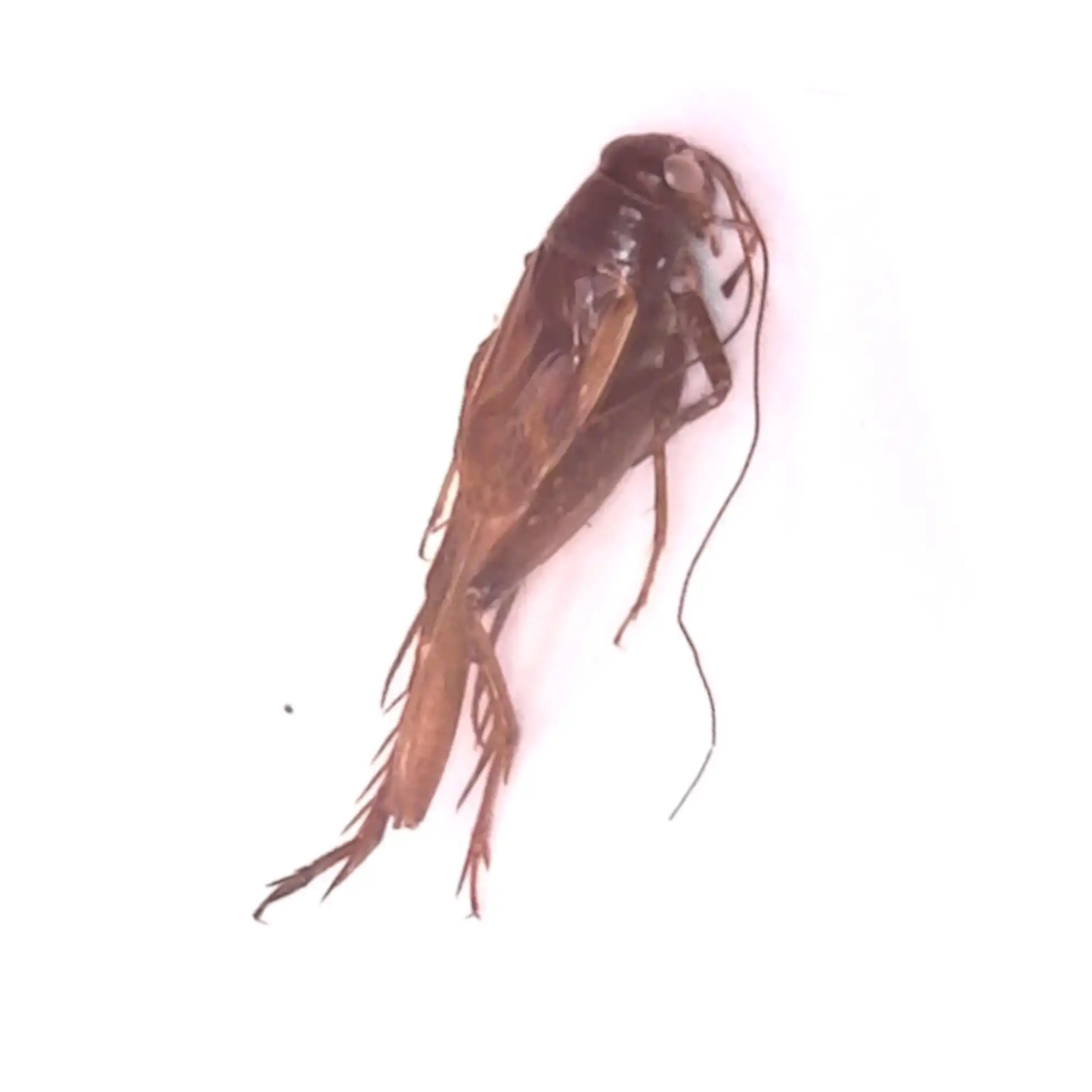
Robust ground crickets in the genus Allonemobius are small, stout true crickets in the family Gryllidae, subfamily Nemobiinae. Adults are usually about 8 to 15 mm long, much smaller than field crickets in the genus Gryllus. The body is typically dark brown to blackish, sometimes reddish brown, and may show faint pale stripes on the head. They have long threadlike antennae, strong jumping hind legs, and two cerci at the tip of the abdomen. Females have a sword-like ovipositor between the cerci. Many adults have short wings that do not reach the end of the abdomen; long-winged forms also occur. Species in this genus are hard to tell apart from a dried specimen, so this listing is at genus level.
These crickets live on the ground in fields, lawns, pastures, moist grasslands, and woodland edges, often in leaf litter or at the bases of grasses. The genus occurs across North America, from Canada to Mexico. About ten species are known, all from this region.
Males sing from the ground, not from high vegetation. The songs are high-pitched trills or chirps, and some species sing by day as well as at night. They are most often heard in late summer and fall. These crickets are omnivorous scavengers, feeding on plant matter, seeds, fungi, and small insects. When disturbed they usually jump or run into the litter.
The life cycle is incomplete metamorphosis: egg, nymph, and adult. Females lay eggs in soil with the ovipositor. In much of the range there is one generation a year. Eggs typically pass the winter, nymphs develop in spring and summer, and adults are most common from midsummer until frost.
Robust ground crickets are not significant pests. They are part of grassland and lawn food webs and serve as prey for birds, spiders, and other wildlife. A few may come to lights, but they do not damage homes or crops in any important way.
This preserved specimen educates on Orthoptera and ground-cricket biology, suitable for displays or studies. Check it out on BugGuide! https://bugguide.net/node/view/8225/bgimage
| Weight | 0.01 lbs |
|---|
Only logged in customers who have purchased this product may leave a review.
Reviews
There are no reviews yet.