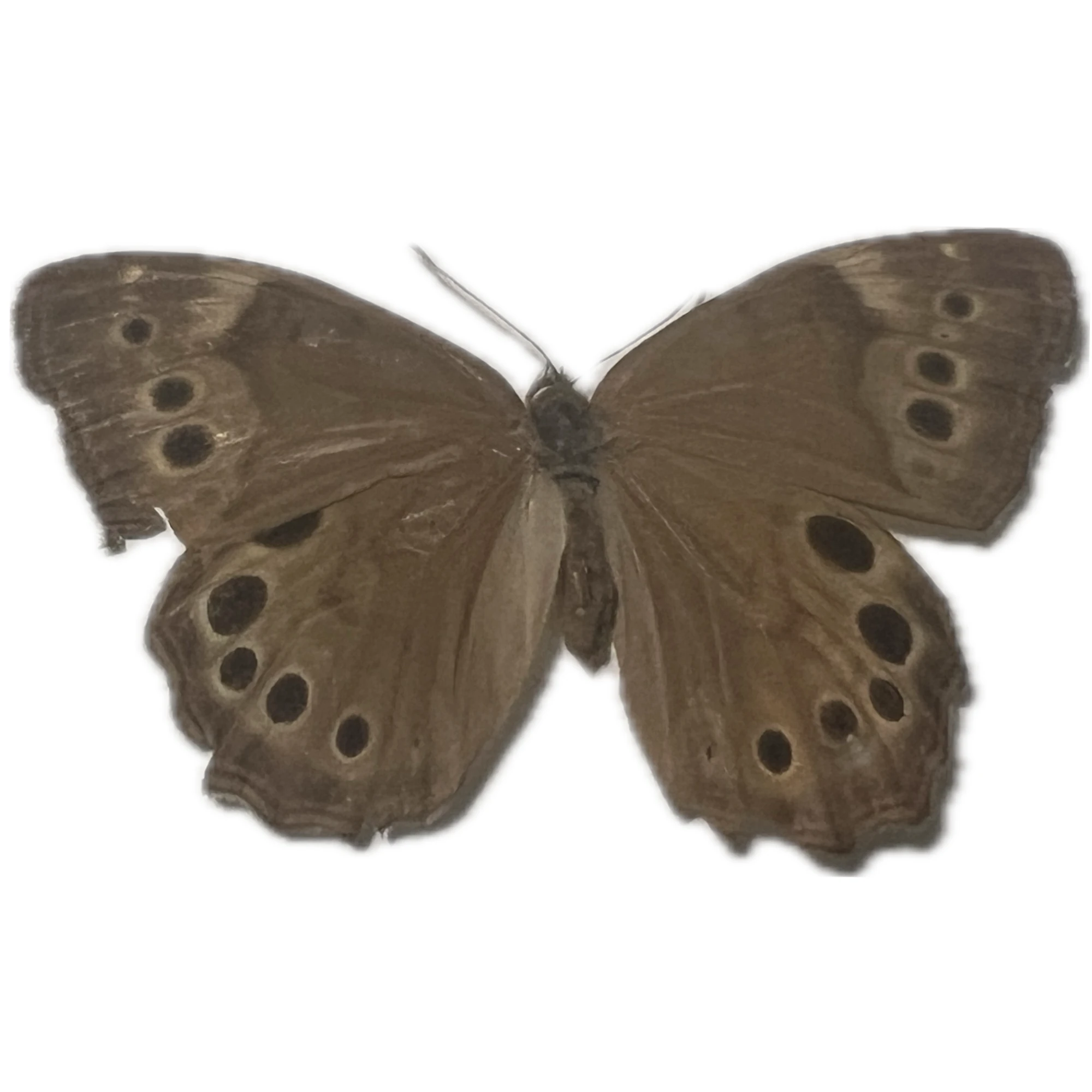
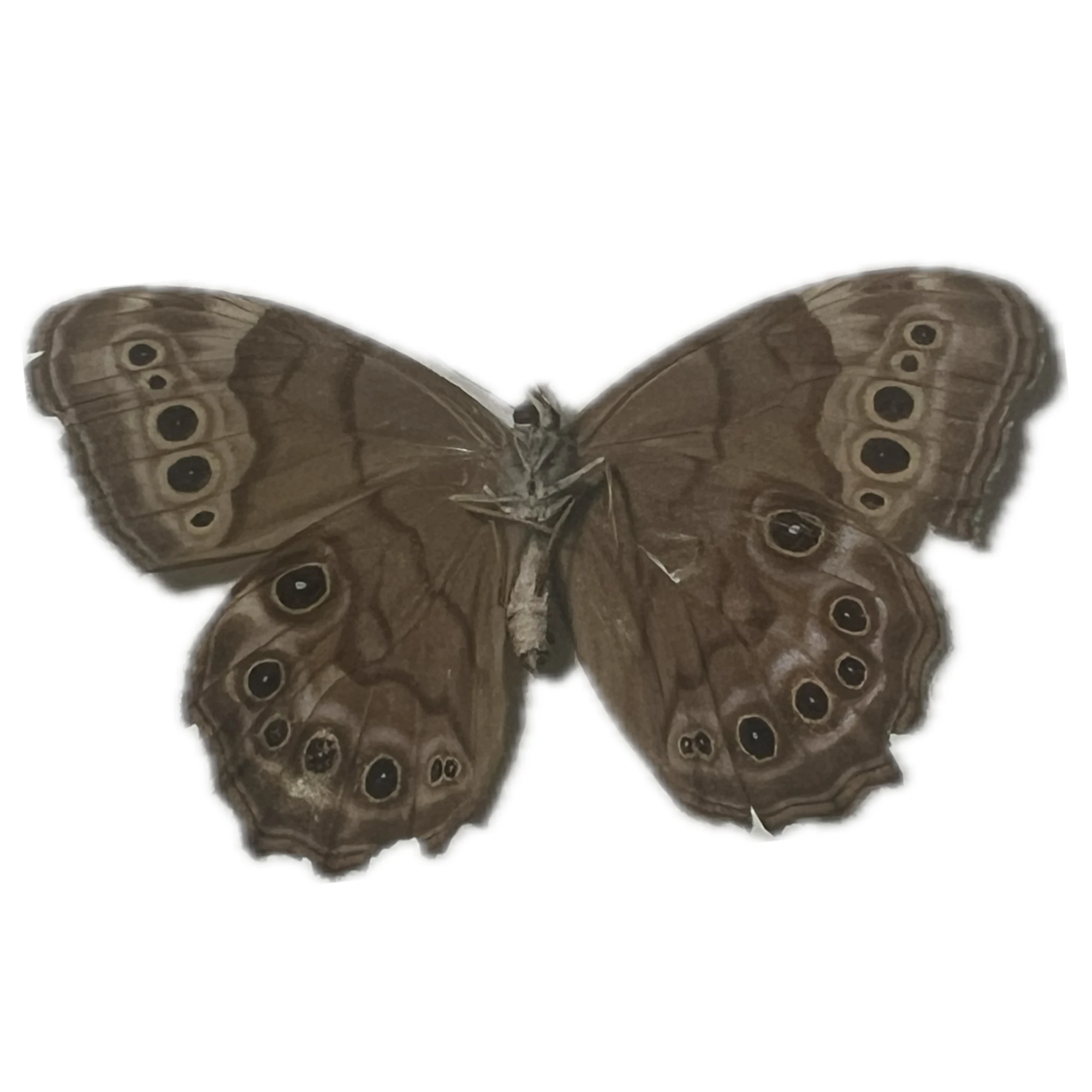
The Northern Pearly-eye reaches a wingspan of 45 to 67 cm. Adults display brown wings adorned with prominent eyespots for camouflage. Bases of antennal clubs appear black, a key identifier among pearly-eyes. The body remains compact and sturdy. Larvae show typical satyrine forms, though details stay limited in records.
Habitat and Range
This butterfly thrives in deciduous forests with dense undergrowth. Its range spans eastern North America, from southern Canada south to the mid-Atlantic states. It favors shaded, moist woodlands near streams or edges. These environments provide ample cover and host plants for all life stages.
Behavior
Adults rarely sip nectar, preferring fluids from dung, fungi, carrion, and tree sap. They fly weakly in shaded areas, resting on leaves or trunks. This foraging supports their energy needs during active periods. Larvae graze on grasses, contributing to their cryptic lifestyle in forest floors.
Life Cycle
The species produces two broods from May to September in most regions. Females lay eggs on host grasses. Larvae hatch and feed through summer, pupating before winter. Adults emerge to mate, aligning with temperate seasonal cycles. Overwintering occurs as larvae or pupae in protected spots.
Economic Impact
With no noted effects on agriculture or ecosystems, the Northern Pearly-eye holds neutral status. It neither damages crops nor provides direct benefits beyond biodiversity in natural woodlands.
This preserved specimen highlights the distinctive eyespots and antennal clubs, ideal for butterfly education and displays. Check it out on BugGuide! https://bugguide.net/node/view/3940

 <—
<—