
$3.00
 <---
9 in stock
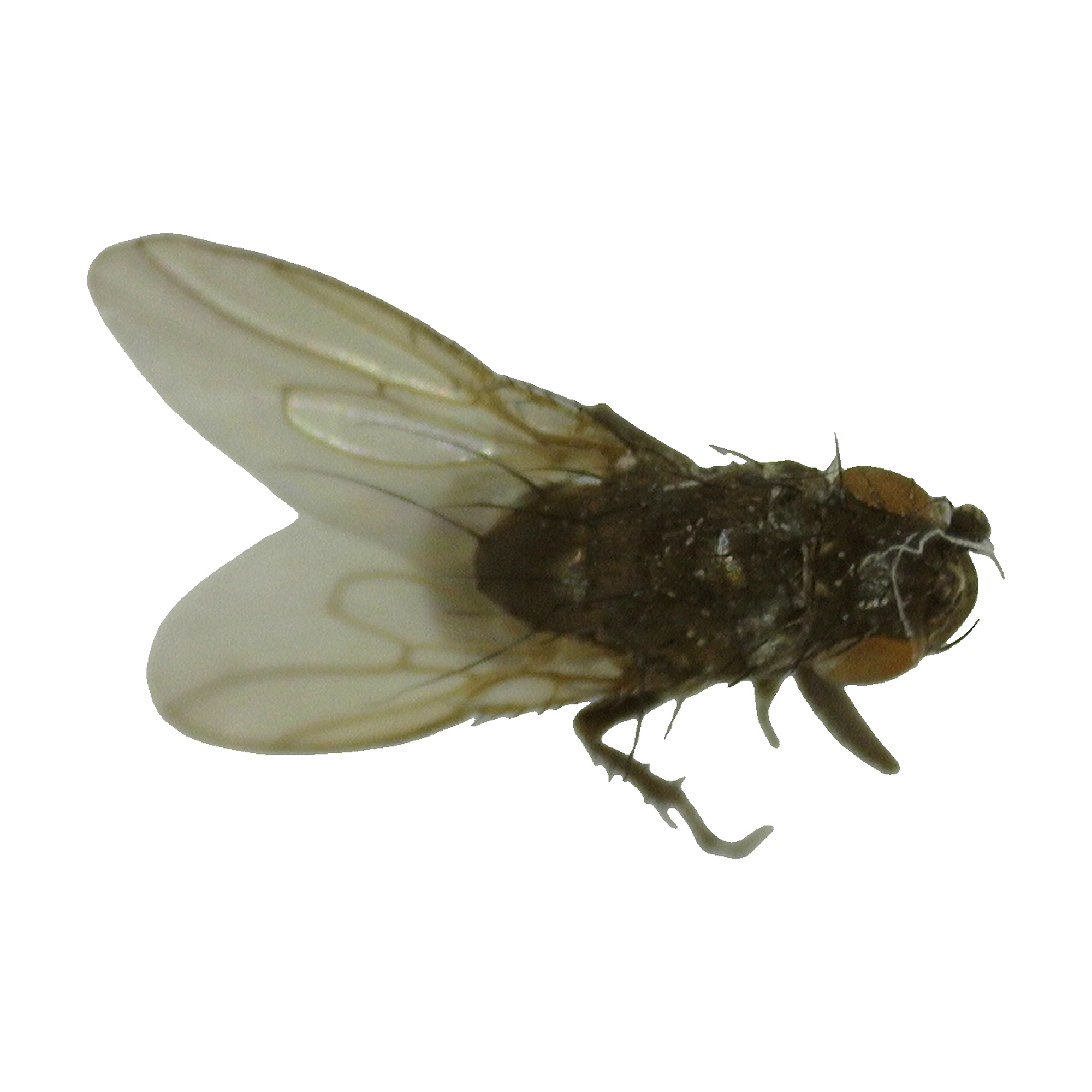
Heleomyzid flies are small flies, about 2 to 7.5 mm long. They are usually dull brown or yellowish brown, with a bristly thorax and clear to lightly tinted wings. A useful family character is a row of spines along the front edge of the wing (the costa). The antennae are aristate, and the face has vibrissae (a pair of stout bristles). This listing is at the family level for the specimens we have in stock.
The family is most diverse in the Holarctic. Adults are usually found in shaded places, often near rotting matter such as compost, dung, or carrion, or around fungi. Some species are associated with caves or with bird and mammal nests. Some of our specimens were collected in Marion County, Indiana.
Adults are often most noticeable in early spring and late fall, and a few species may appear even in winter in northern areas. They do not bite people.
Like other true flies, they have complete metamorphosis: egg, larva, pupa, and adult. The larvae typically develop in decaying organic matter or fungi, then pupate, and the adults emerge to mate and lay eggs.
Heleomyzid flies are not crop pests and do not bite or sting. A few species are associated with decaying matter or caves, but they are not household biting flies. The preserved specimens are used in teaching and collections.
This preserved specimen educates on heleomyzid flies in the family Heleomyzidae, suitable for displays or studies.
Check it out on BugGuide! https://bugguide.net/node/view/12760/bgimage
| Weight | 0.01 lbs |
|---|
Only logged in customers who have purchased this product may leave a review.
Reviews
There are no reviews yet.