Appearance
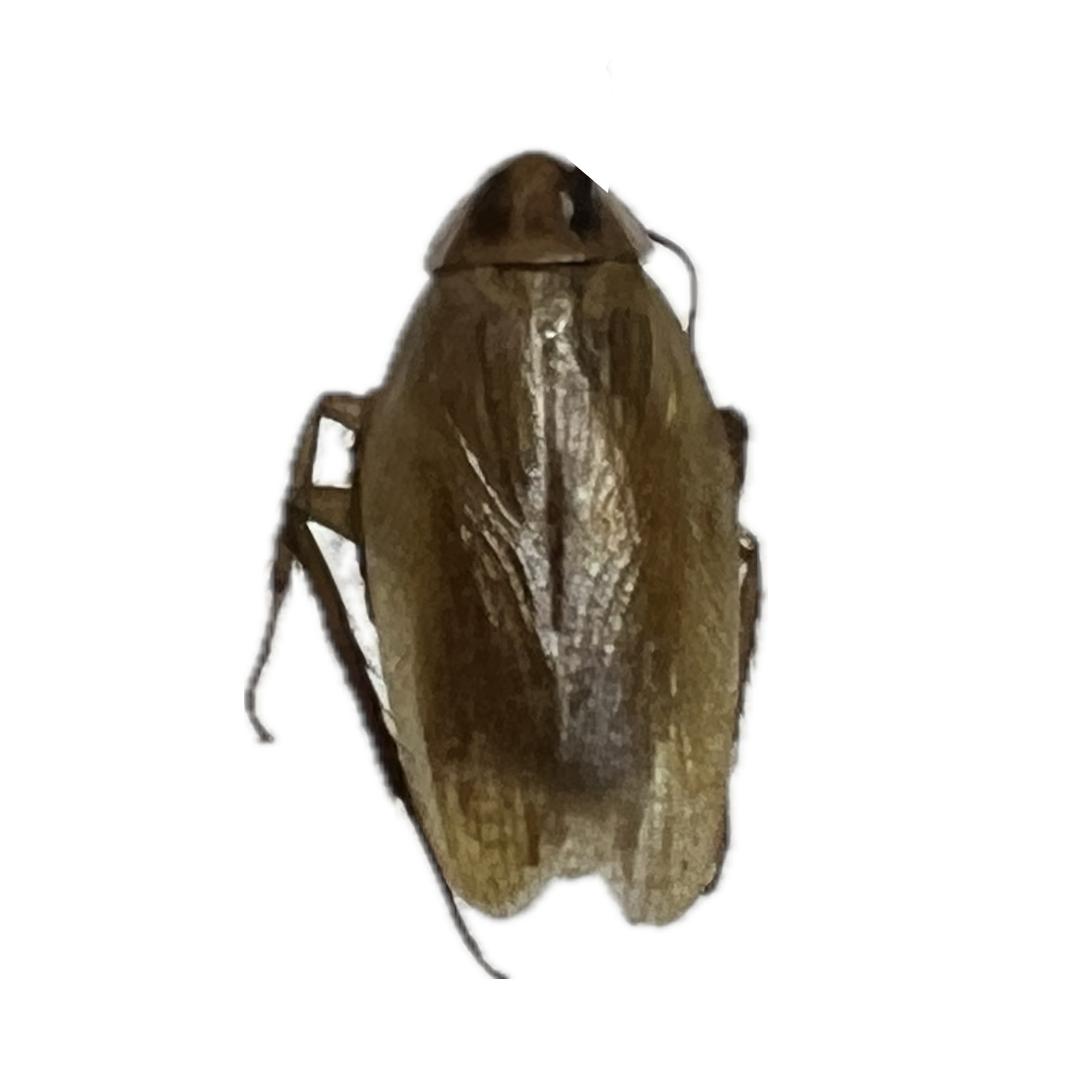
The German Cockroach, Blattella germanica, is a small, light brown insect measuring 13 to 16 mm in length. It features a yellowish-brown body with two prominent dark parallel stripes running from the head to the base of the wings on the pronotum. Wings are present but vestigial in most individuals, rarely used for flight. Nymphs are smaller and darker, progressing through six to seven instars with wing pads developing in later stages. This compact, oval shape allows it to squeeze into tiny cracks, making it a stealthy household intruder.
Habitat and Range
As a cosmopolitan species, the German Cockroach thrives exclusively in human environments worldwide, from homes to commercial buildings. It prefers warm, humid areas like kitchens, bathrooms, and food storage zones where temperatures stay above 21°C (70°F). Native origins trace to Southeast Asia or Africa, but it has spread globally via trade, absent only in extreme cold regions without heating.
Behavior
Nocturnal and thigmotactic, these cockroaches hide in crevices by day and forage at night for omnivorous meals including starches, sugars, and decaying matter. Females carry a purse-shaped ootheca containing 30 to 40 eggs for up to a month before dropping it near food sources. Gut bacteria in their feces produce aggregation pheromones like carboxylic acid, drawing others to form groups. They are prolific pests, capable of rapid population explosions, and can trigger severe allergies in humans through shed skins, saliva, and droppings.
Life Cycle
The life cycle follows incomplete metamorphosis over about 100 days in ideal conditions. Eggs develop in the ootheca for 20 to 30 days until hatching into nymphs. Nymphs molt six to seven times over 6 to 31 weeks, growing larger and developing wings. Adults live 100 to 200 days, with females producing 4 to 8 oothecae each. This swift cycle, faster than other cockroaches, fuels infestations.
This preserved specimen educates on urban entomology and pest biology, suitable for displays or studies. Check it out on BugGuide! https://bugguide.net/node/view/70688

 <—
<—