Praying Mantises strike at speeds of up to 5 mph. That’s faster than the blink of an eye! They can also swivel their heads 180 degrees to scope the scene.

Praying Mantises strike at speeds of up to 5 mph. That’s faster than the blink of an eye! They can also swivel their heads 180 degrees to scope the scene.
$5.95
1 in stock
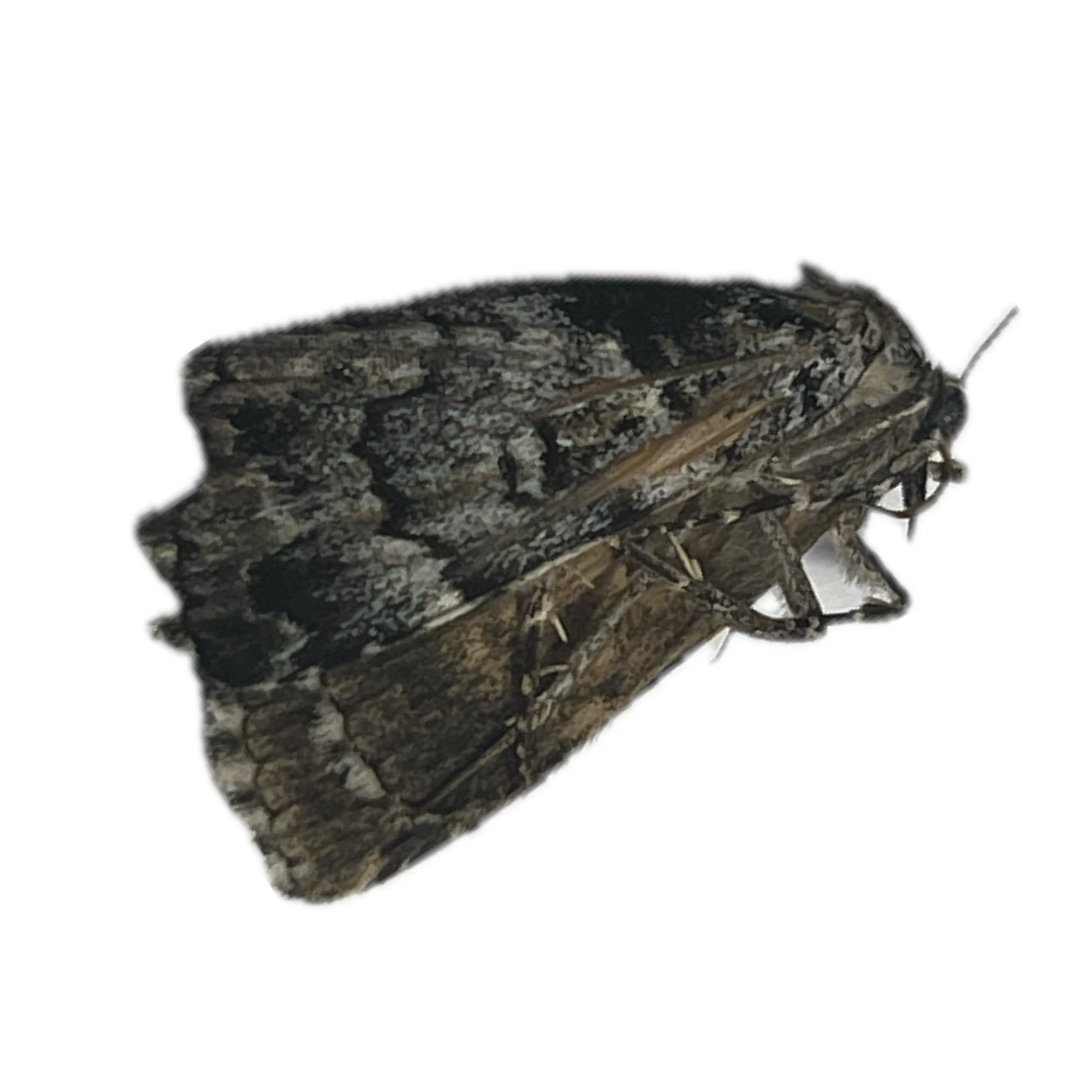
The False Underwing adult spans 40-55 mm in wingspan. Forewings appear dark chocolate brown with subtle wavy lines and a pale reniform spot. Hindwings shine bright orange with a broad black terminal band and thinner median band. The body stays robust and hairy. Larvae grow hairy with variable patterns, often black with white or yellow spots and long tufts. This dramatic hindwing flash mimics true underwings for predator deterrence.
This moth inhabits deciduous woodlands and forest edges rich in host trees. The range covers eastern North America from Quebec and Ontario south to Florida, west to Texas and Wisconsin. Adults fly primarily from May to August, peaking in midsummer when locust trees bloom.
Adults remain nocturnal, resting camouflaged on bark during day. When disturbed, they flash bright hindwings to startle predators before flying. They sip nectar or tree sap minimally. Larvae feed on foliage gregariously at first, dispersing as they mature. The species relies on chemical defenses from host plants for protection.
Females lay eggs in clusters on host leaves in summer. Larvae hatch and feed through several instars, overwintering as pupae in soil cocoons. Adults emerge the following spring to summer for mating. One generation completes per year, synchronized with host tree leaf-out in temperate regions.
Larvae feed on black locust and basswood, occasionally reaching outbreak levels that defoliate trees. This marks minor pest status in forestry and landscapes, potentially weakening ornamentals. Impacts stay localized without broad agricultural harm.
This preserved specimen highlights the striking orange hindwing flash, ideal for catocala-like moth education and displays. Check it out on BugGuide! https://bugguide.net/node/view/10556