Appearance
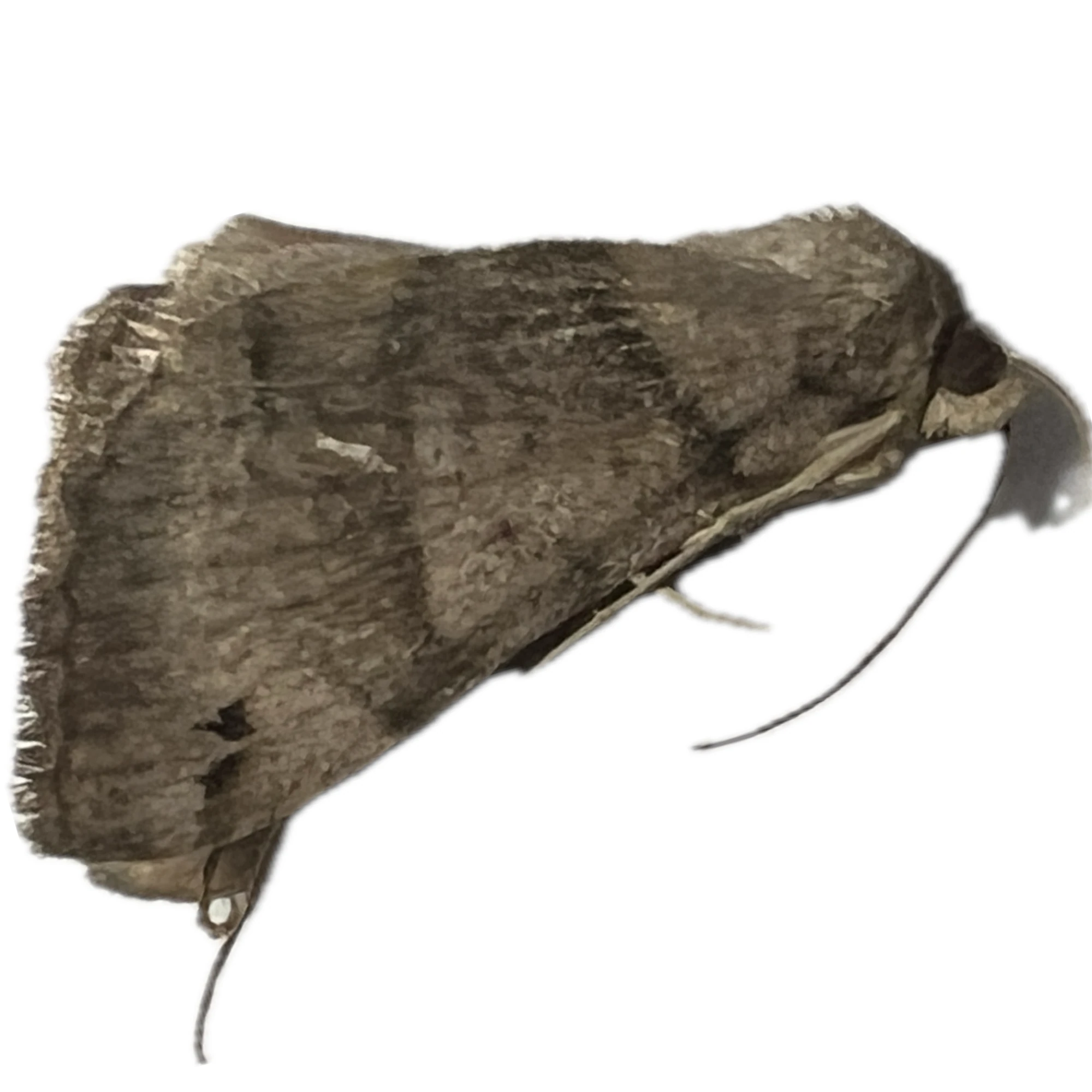
The Clover Looper, Caenurgina crassiuscula, is a geometrid moth with a 30-40 mm wingspan; females are larger than males. Forewings are orangish to reddish-brown with a dark antemedial band touching the inner margin, unlike Caenurgina erechtea. Hindwings are lighter. Larvae reach 30 mm, green to brown with stripes for twig mimicry.
Habitat and Range
This species favors open fields, roadsides, and waste places where host plants abound. Its range extends coast to coast across the United States and into adjacent Canadian provinces. In the west, it reaches the Northwest Territories, Yukon, and Alaska, thriving in temperate to boreal environments. Adults are active both day and night, often drawn to lights.
Behavior
Clover Loopers exhibit multivoltine activity, with adults flying from March to November depending on latitude, allowing multiple generations per year. Larvae feed nocturnally on foliage, looping their bodies in characteristic geometrid fashion to reach new leaves. This behavior aids in dispersing across host patches while evading daytime predators.
Life Cycle
The life cycle is holometabolous and multivoltine, producing two to three broods annually. Eggs are laid on host leaves in spring. Larvae hatch and feed on clover, grasses, and lupines through several instars, overwintering as pupae in soil or debris. Adults emerge progressively from early spring into fall, mating and ovipositing to sustain populations.
Economic Impact
As a pest, the Clover Looper causes economic losses in forage crops like clover and alfalfa, where larvae defoliate plants, reducing yields for livestock feed. It also affects garden crops, though less severely than major pests. No significant beneficial roles noted; management involves monitoring and targeted insecticides in agriculture.
This preserved specimen highlights geometrid herbivory, ideal for entomology education. Check it out on BugGuide! https://bugguide.net/node/view/9680

 <—
<—