Appearance
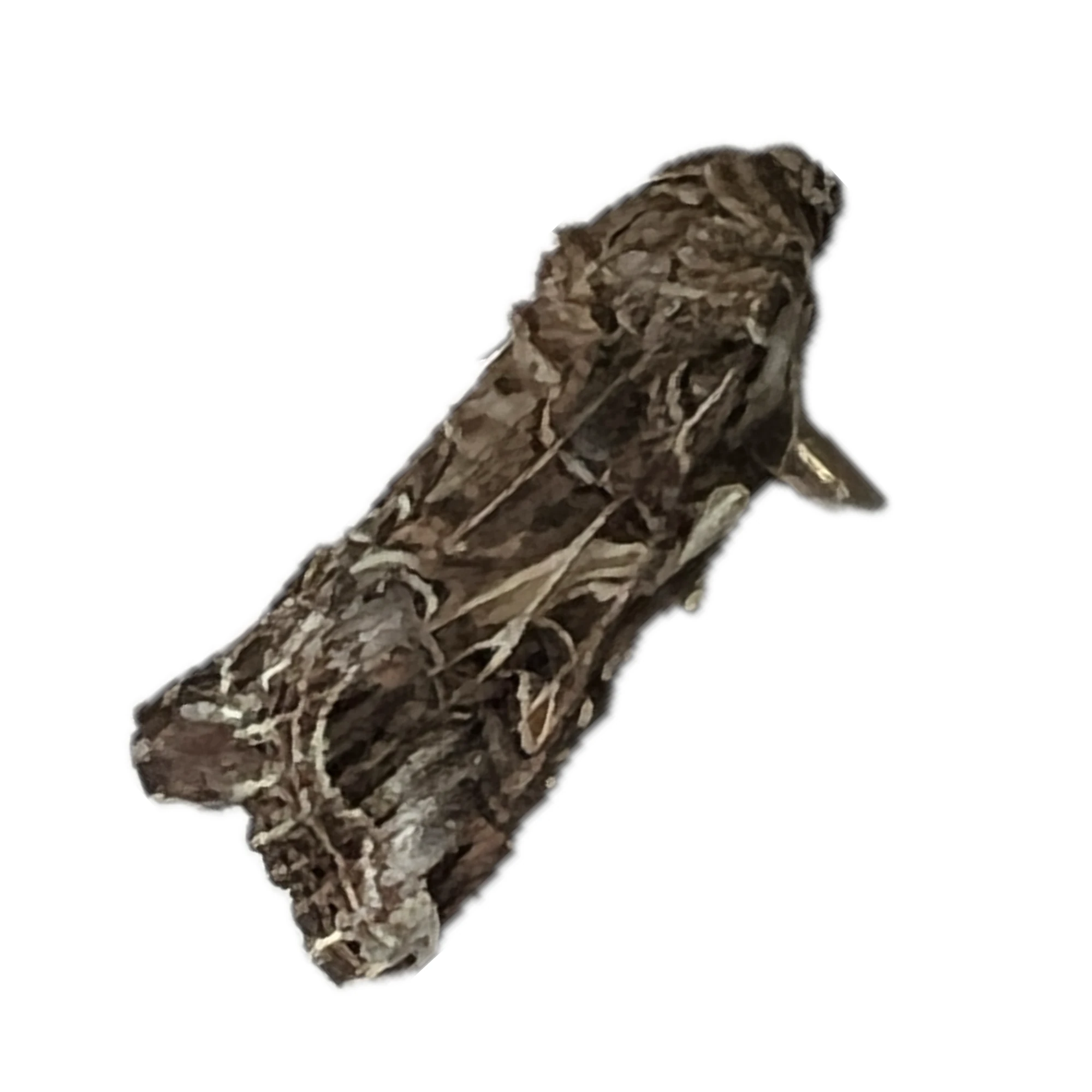
The Armyworm Moth belongs to the genus Spodoptera in the Noctuidae family, known for its armyworm larvae. Adults are medium-sized moths with a wingspan of 35 to 40 mm. Forewings display a mottled gray-brown pattern with pale and dark lines, including a prominent orbicular spot and a wavy submarginal line. Hindwings are whitish with dark margins. The body is robust, covered in scales, with reddish-brown legs and antennae. Larvae vary from green to brown, up to 45 mm long, featuring longitudinal stripes and a dark head. This variable coloration aids camouflage on host plants. Sexual dimorphism is subtle, with females slightly larger for egg production.
Habitat and Range
Spodoptera species thrive in diverse agricultural and natural settings, including fields, lawns, and grasslands. As polyphagous pests, they target over 100 plant species, from grains to vegetables. The genus ranges throughout the United States and southern Canada, with some species like S. frugiperda migrating northward annually. They favor warm, humid climates but adapt to temperate zones via dispersal.
Behavior
Adults are nocturnal, hiding in debris by day and feeding on nectar at night. They migrate long distances on winds, aiding range expansion. Larvae are gregarious, forming “armies” that march across fields after stripping plants, causing rapid defoliation. This marching behavior stems from food depletion, prompting relocation. Both stages contribute to pollination and pest dynamics, with larvae serving as prey for birds and predators.
Life Cycle
The life cycle follows Lepidoptera holometaboly, completing in 30 days during summer. Females lay 500-2000 eggs in clusters on foliage. Eggs hatch in 2-4 days into first-instar larvae, which progress through six instars over 14-20 days, feeding voraciously. Larvae then pupate in soil for 7-14 days, emerging as adults that live 7-21 days, focusing on mating and oviposition. Multiple generations occur yearly, up to 8 in southern ranges.
This preserved specimen reveals noctuid pest ecology, ideal for agricultural education. Check it out on BugGuide! https://bugguide.net/node/view/6018

 <—
<—