
$8.95
 <–
1 in stock
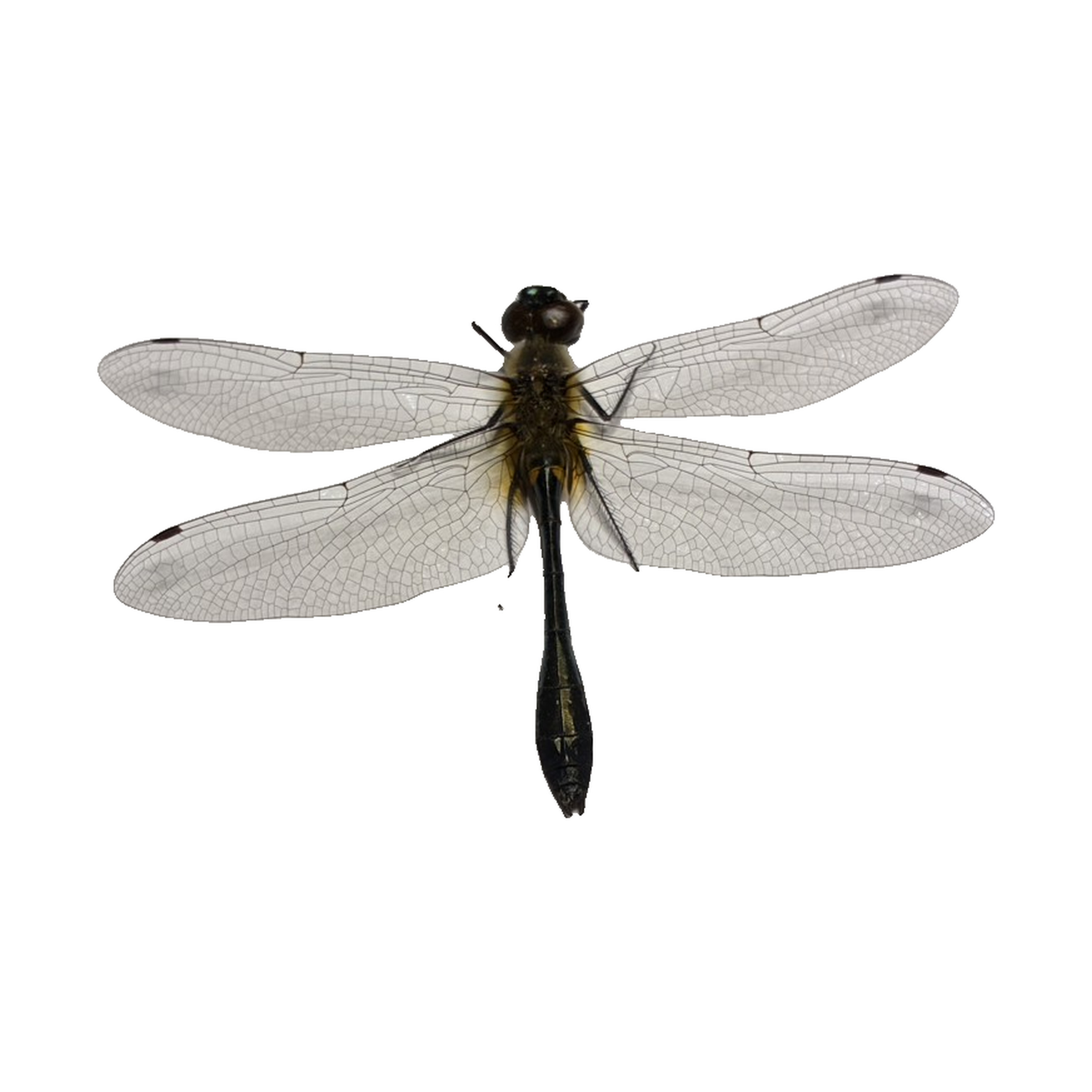
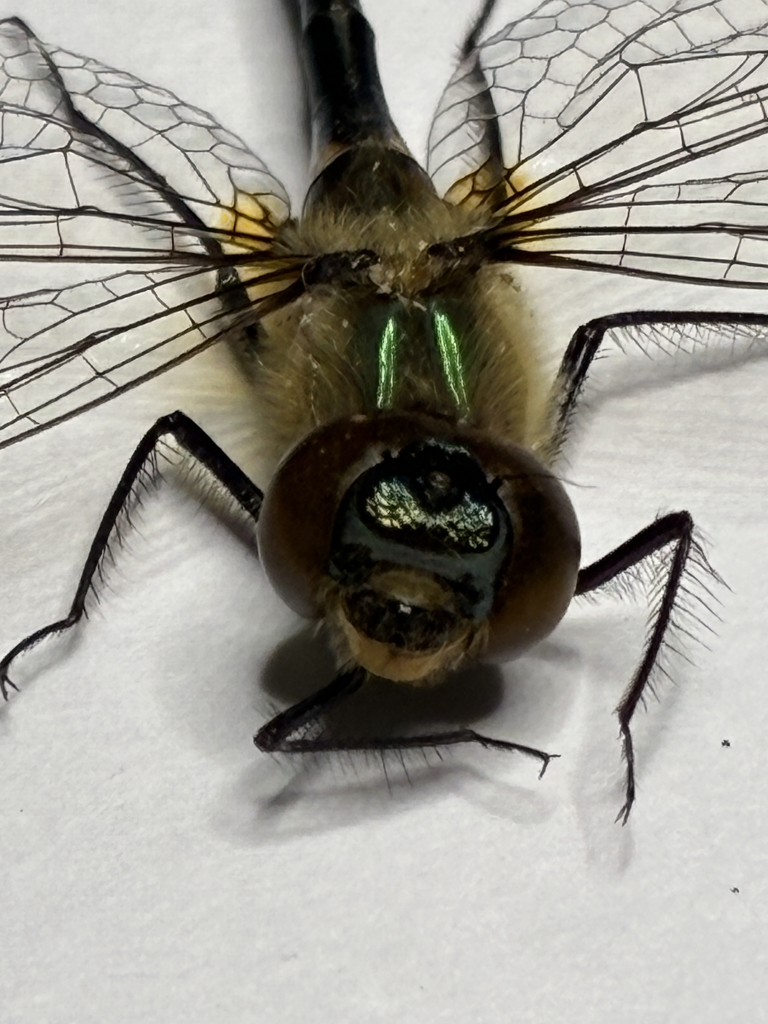
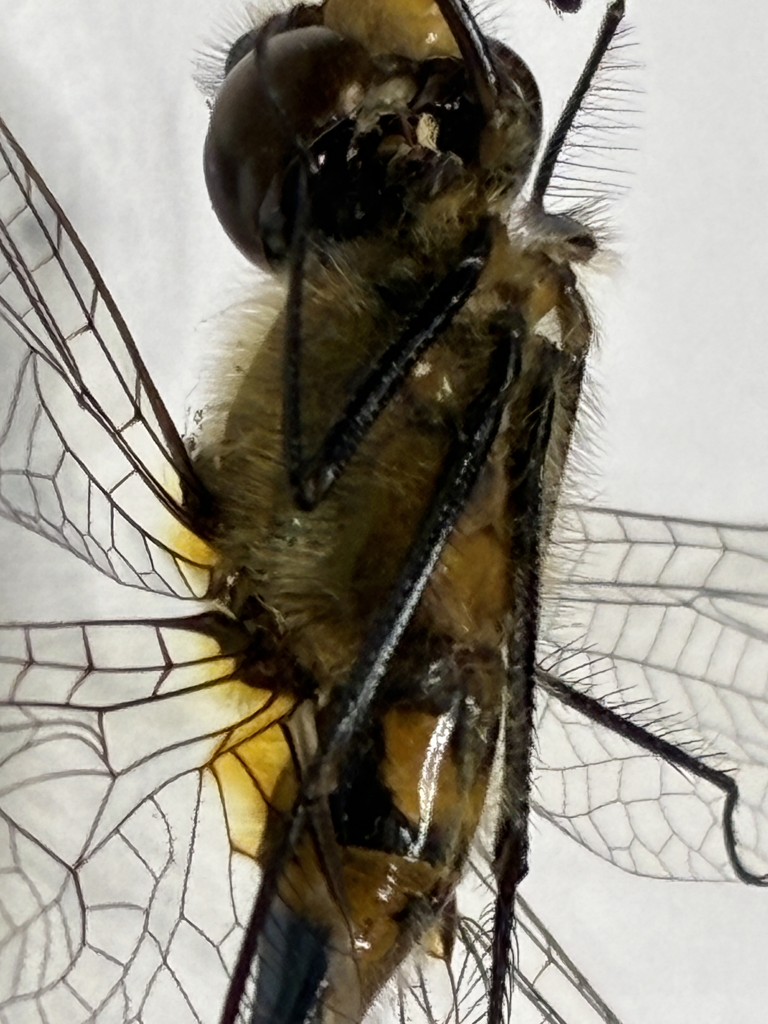
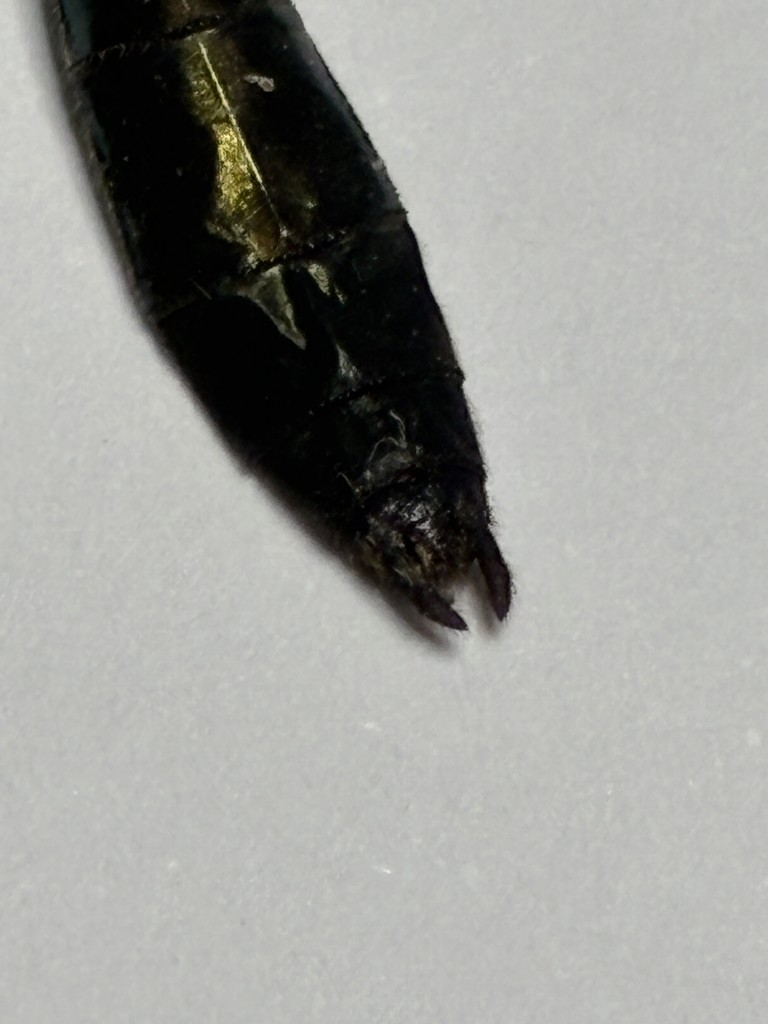
The American Emerald is a compact emerald dragonfly, about 43 to 50 mm (1.7 to 2.0 inches) long. The thorax is metallic green and covered with brown hairs. The wings are clear, and the eyes are bright green in life and meet at a seam on top of the head, as in other emeralds. The abdomen is dark green-black, with a thin pale ring near the base, and it may widen slightly toward the tip. This listing is for a female.
American Emeralds live at sphagnum bog ponds, small lakes, marshes, bogs, and fens. The species is found across Canada and the northern United States, and it is common throughout Wisconsin, especially in the northern half of the state. Our specimen was collected in Douglas County, Wisconsin.
Adults often forage along woodland edges and over boggy shorelines. Males patrol the water’s edge with a dart-and-hover flight. When they perch, they usually hang from vegetation. Like other dragonflies, they are swift aerial hunters and prey on flying insects.
This species has incomplete metamorphosis, with egg, aquatic naiad, and adult stages. The naiads are aquatic predators that hide in mud and debris on the bottom. In Wisconsin, adults fly from mid-May to mid-July.
American Emeralds are beneficial predators of mosquitoes and other small insects. They are not pests and have no significant economic impact.
Cordulia shurtleffii (Scudder, 1866) belongs to the emerald family Corduliidae, genus Cordulia. It is the only species of this genus in North America.
This preserved specimen educates on dragonfly biology and wetland insects, suitable for displays or studies.
Check it out on BugGuide! https://bugguide.net/node/view/11199/bgimage