
$8.95

 <–
2 in stock
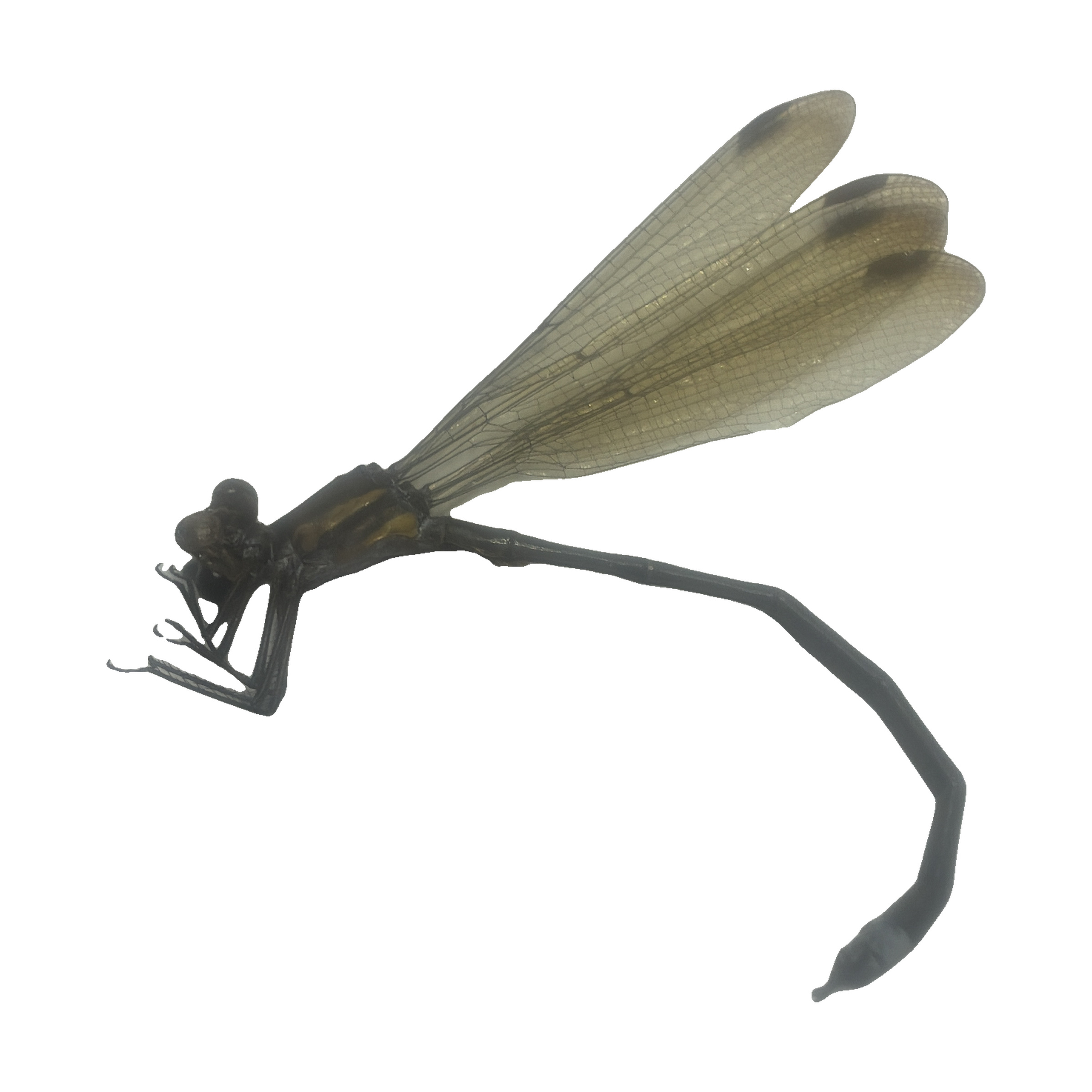
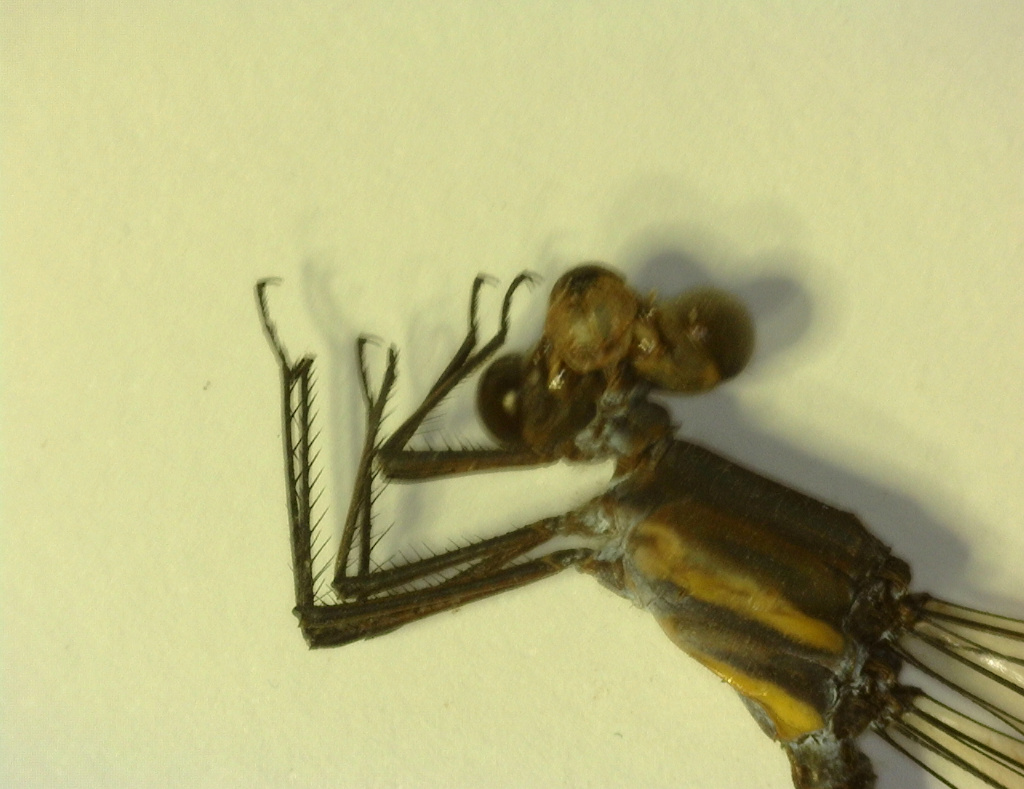
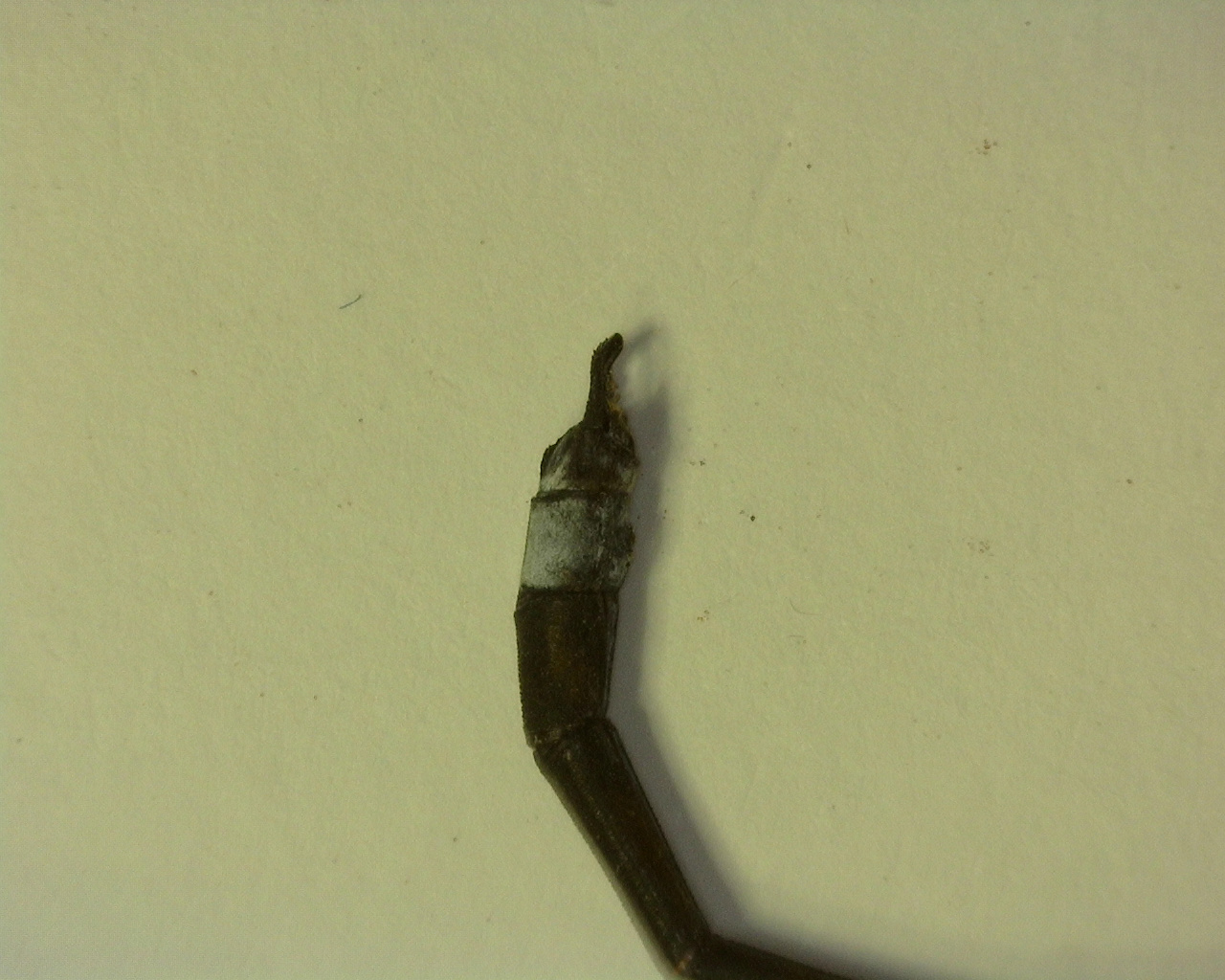
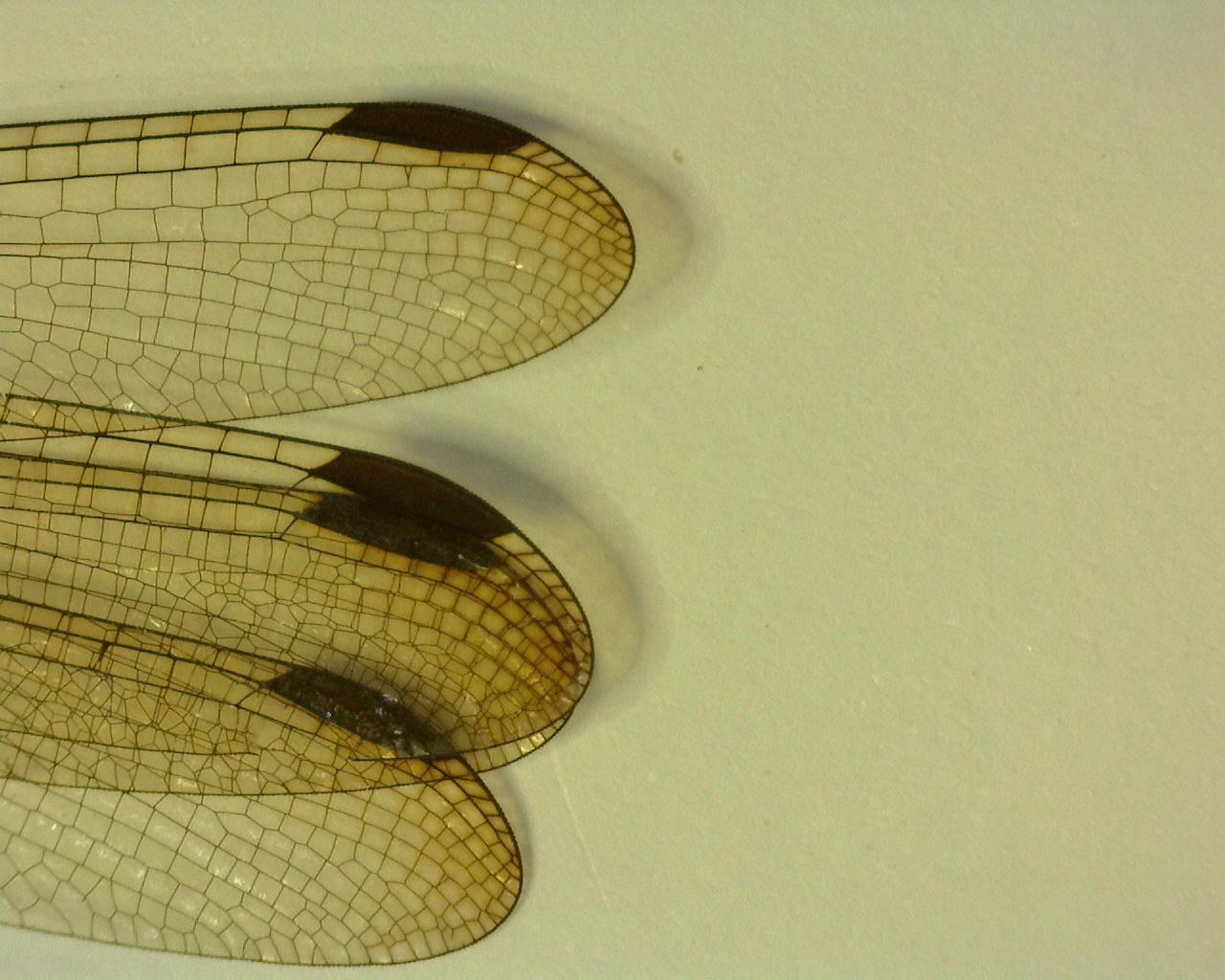
The Amber-winged Spreadwing is one of the largest and most robust spreadwing damselflies, about 42 to 52 mm (1.7 to 2.0 inches) long. The thorax is metallic green to bluish above, with pale yellow sides and a dark diagonal streak. The wings have a distinct amber tint and a dark stigma near each tip. The abdomen is dark metallic green above. This listing is for a male. Mature males become frosted with pale gray pruinosity, especially at the tip of the abdomen.
Amber-winged Spreadwings live at ponds, small lakes, and bogs, including sites with vegetated or boggy margins and ponds without fish. The species is found across southeastern Canada and the northern half of the eastern United States. Our specimen was collected in Phelps County, Missouri, October 2026.
Like other spreadwings, adults often perch with their wings held open, rather than folded over the abdomen as in most damselflies. They frequent the edges of vegetated ponds and bogs and may rest on rushes and other emergent plants. They prey on small flying insects.
This species has incomplete metamorphosis, with egg, aquatic naiad, and adult stages. The naiads are aquatic predators. Adults fly mainly in summer.
Amber-winged Spreadwings are beneficial predators of mosquitoes and other small insects. They are not pests and have no significant economic impact.
Lestes eurinus (Say, 1839) belongs to the spreadwing family Lestidae, genus Lestes (spreadwings).
This preserved specimen educates on damselfly biology and wetland insects, suitable for displays or studies.
Check it out on BugGuide! https://bugguide.net/node/view/18355/bgimage