Appearance
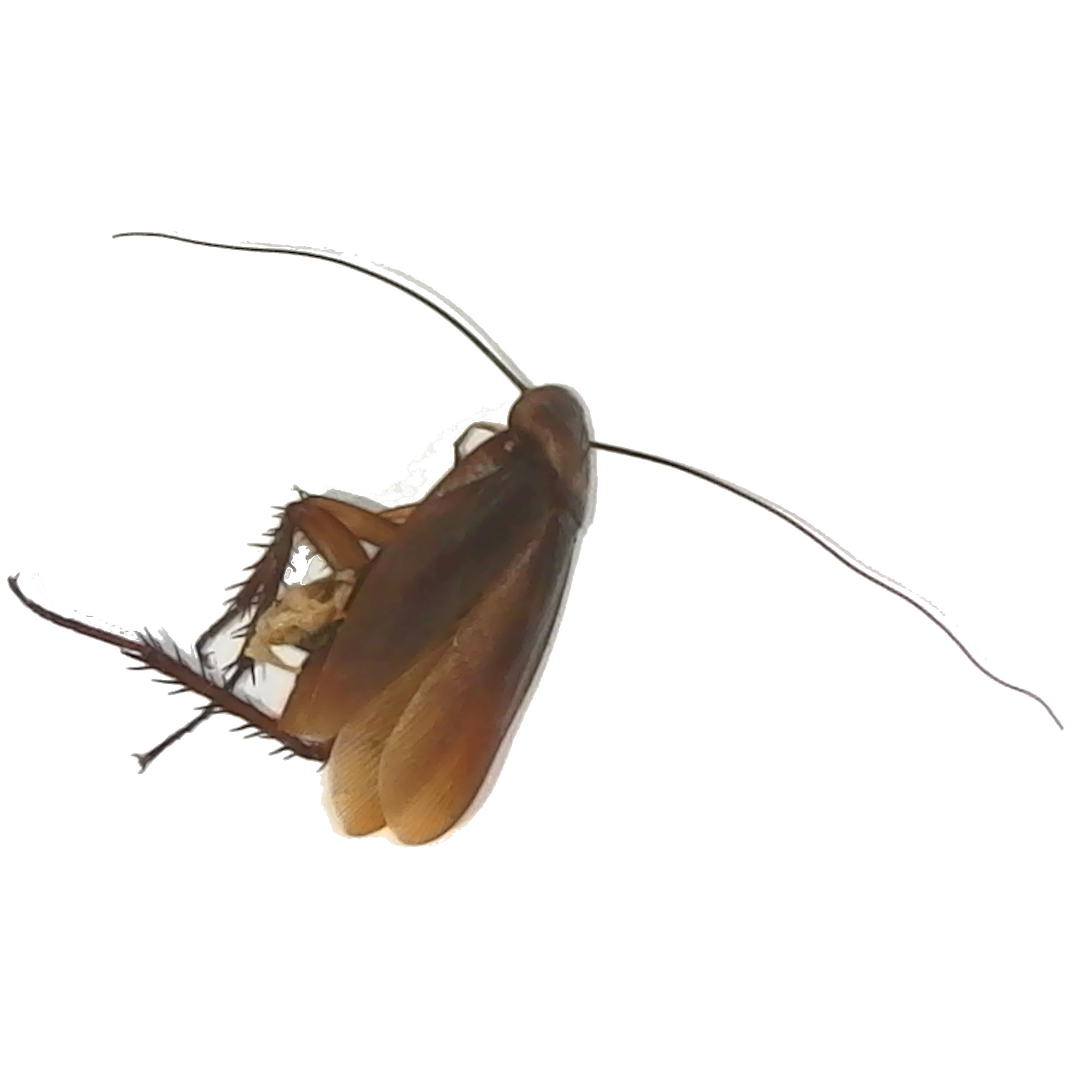
The Wood Cockroach varies by species but generally features a dark brown pronotum with pale whitish borders in types like P. pennsylvanica and P. divisa. Males grow up to 25 mm and show modifications on the median segment, such as ridges or hair patches. Females reach up to 19 mm with small wingpads. Wings in males fully cover the abdomen, while nymphs display prominent wingbuds. Some species like P. uhleriana have wings markedly broader than the pronotum.
Habitat and Range
These cockroaches dwell in hollow trees, stumps, under loose bark, wood piles, and crevices of rural buildings. They sometimes enter homes via firewood or during mating season. The range spans much of North America, with species like P. pennsylvanica in eastern US plus Quebec and Ontario. Others include P. americana in western US and Mexico, P. bolliana across US, and P. uhleriana in eastern US.
Behavior
Males attract to lights and gather in rain gutters during May to June. Indoors, they wander aimlessly during the day without breeding. They die within a few days due to insufficient moisture in human environments. Feeding focuses on decaying organic matter in natural settings. This outdoor preference keeps them from establishing indoor populations.
Life Cycle
They overwinter as partially-grown nymphs under bark. The life cycle typically lasts one year, though up to two in some cases. Adults stay active from May to October with several months of lifespan. Mating occurs outdoors in May to June. Females deposit egg capsules containing up to 32 eggs in summer. These hatch in about one month, and nymphs mature by the following May or June.
Economic Impact
Wood Cockroaches hold neutral status economically. They occasionally enter homes but do not breed indoors and perish quickly without harm. No pest behaviors noted, as they avoid human food sources. They contribute minimally to ecosystems by decomposing organic matter without beneficial or damaging roles in agriculture.
This preserved specimen highlights the median segment modifications in males, ideal for cockroach identification studies. Check it out on BugGuide! https://bugguide.net/node/view/31624

 <—
<—