
$3.00
 <---
2 in stock
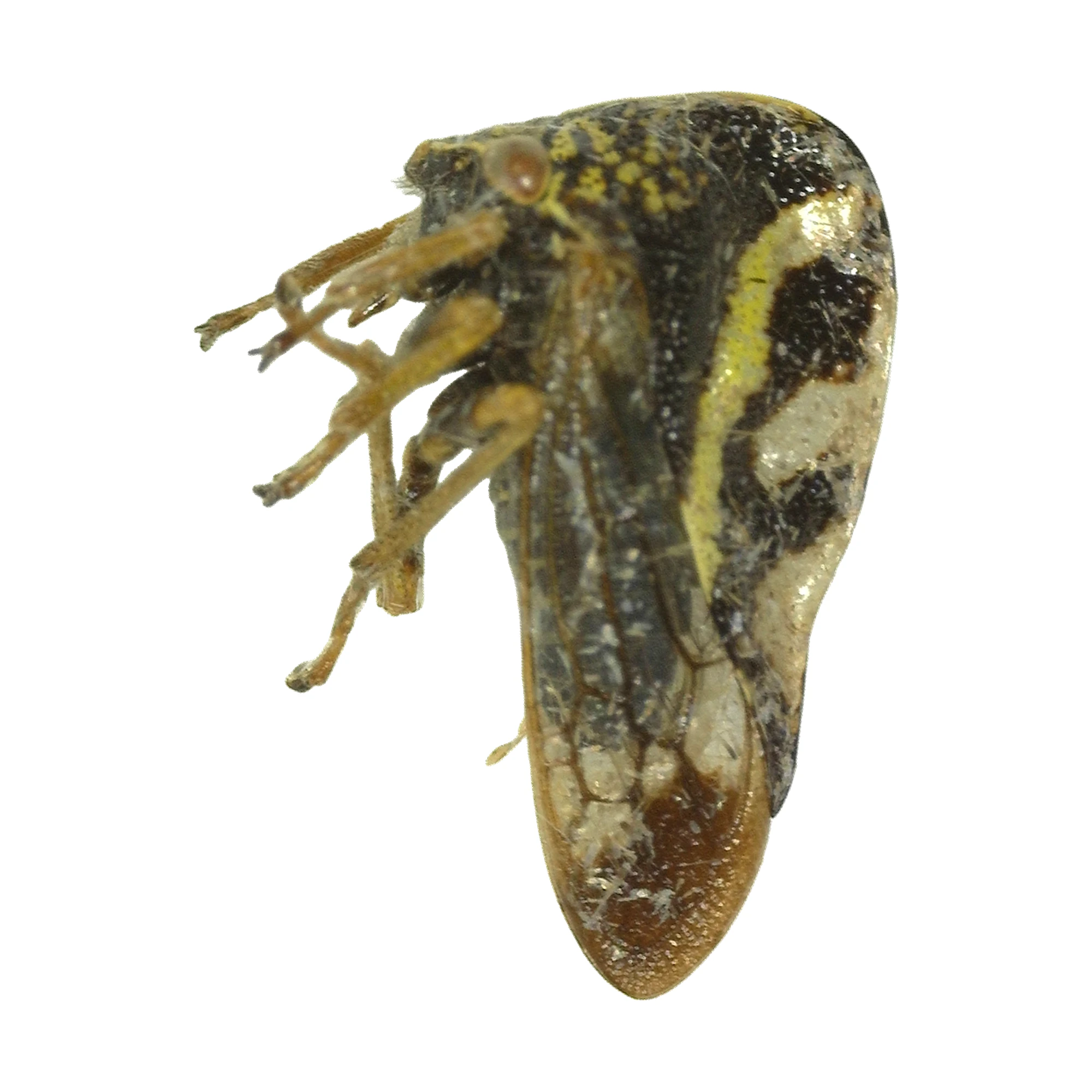
Ophiderma is a genus of typical treehoppers in the family Membracidae. Adults are small, usually about 6 to 7 mm long. Like other treehoppers in the tribe Smiliini, they have an enlarged pronotum that covers the abdomen, but they lack the tall, thin keel or crest found in some related genera. Color and pattern vary a lot among species and often differ between males and females. Many are dark, with a pale or yellow stripe along the side, pale bands, and a brown or mottled wing tip. Species in this genus can be hard to tell apart from a photo, so this listing is sold as Ophiderma sp., at the genus level.
BugGuide lists 13 species in our area and 16 species in total. The genus is widespread in North America, especially in the east, where several species reach Canada. Four species are known only from Arizona, and two only from Florida. They live in woods and edges where their host trees grow. Named hosts include oak (Quercus), beech (Fagus), chestnut (Castanea), and elm (Ulmus). Oaks are the usual hosts for most species.
Some of our specimens were collected in Douglas County, Wisconsin.
Like other treehoppers, they feed on plant sap with piercing-sucking mouthparts. They are often found on twigs and leaves of their host trees and can hop or fly a short distance when disturbed. They do not bite people.
Like other true bugs, they have incomplete metamorphosis: egg, nymph, and adult. Eggs are laid in plant tissue. Nymphs feed on the host and molt several times before becoming adults. In the east, adults of many species are found mainly in spring and early summer. One generation per year is typical.
Species in this genus are not major crop or household pests. They feed on native and ornamental trees, especially oaks, but they rarely cause noticeable damage. The preserved specimens are useful for teaching about treehoppers in the family Membracidae and about insects that live on oaks.
This preserved specimen educates on treehoppers in the family Membracidae, suitable for displays or studies.
Check it out on BugGuide! https://bugguide.net/node/view/10196/bgimage
Only logged in customers who have purchased this product may leave a review.
Reviews
There are no reviews yet.