Search for a bug

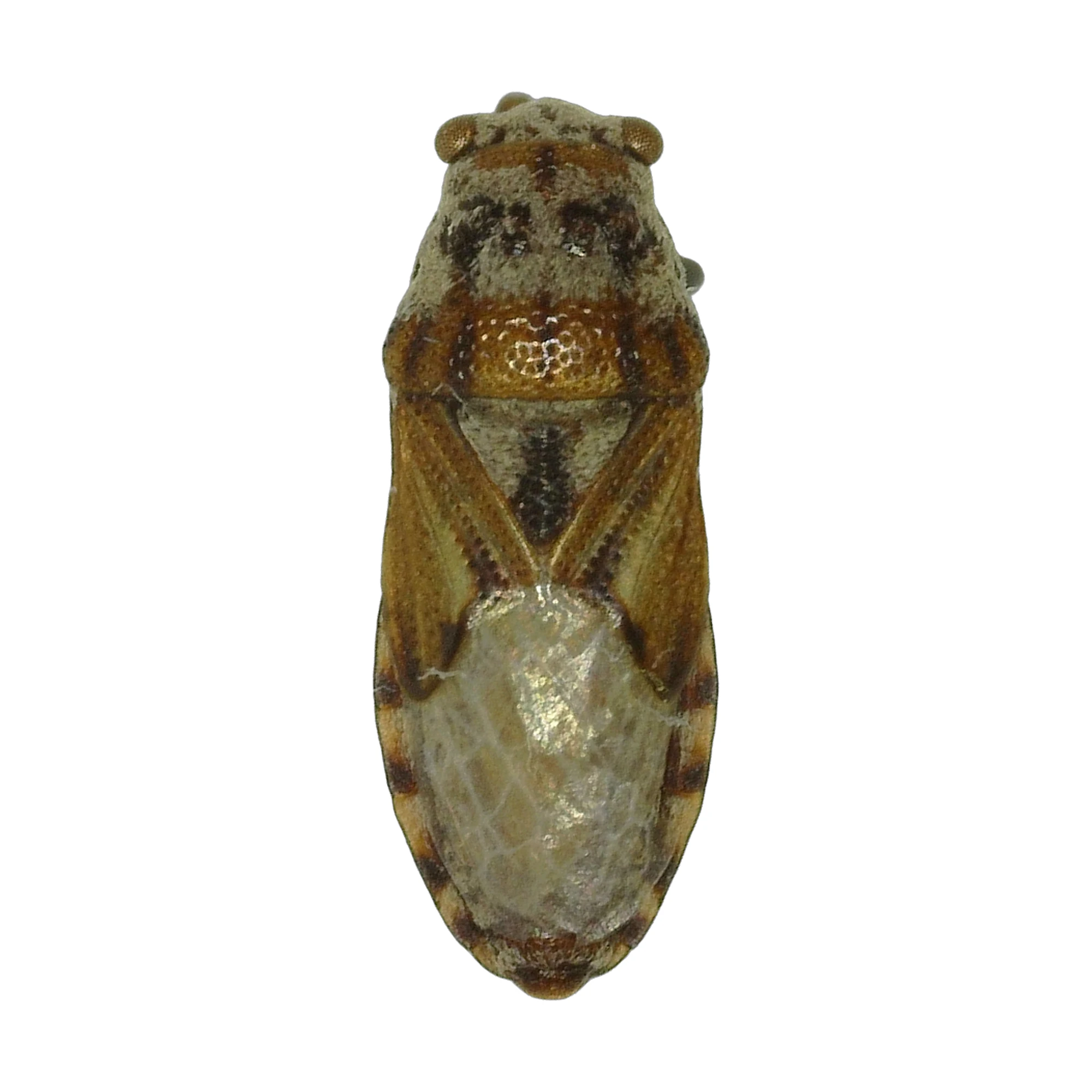
Pachygronthid Seed Bug (Phlegyas abbreviatus)

$3.00

  • bugguide info... <---
    See it in BugGuide
  • Phlegyas abbreviatus
  • size about 3.5 to 4.5 mm
  • ALL OUR INSECTS ARE DEAD UNMOUNTED SPECIMENS
  • The photo is a representative example of the specimens we have in stock.

14 in stock

Appearance

Phlegyas abbreviatus is a small seed bug, about 3.5 to 4.5 mm long. Adults are yellowish to chestnut brown with black markings, including dark spots on the pronotum, a dark stripe on the scutellum, and a dark edge at the tip of the corium. The sides of the abdomen are often checkered. Many adults have short wings that do not fully cover the abdomen.

Habitat and Range

This species occurs across much of eastern North America and west to California, and south to Nicaragua. It is a grass feeder and is found in fields, meadows, and other grassy places. Some of our specimens were collected in Pulaski County, Arkansas.

Behavior

It feeds on grasses. Like other seed bugs in the superfamily Lygaeoidea, it has piercing-sucking mouthparts. It does not bite people.

Life Cycle

Like other true bugs, it has incomplete metamorphosis: egg, nymph, and adult. Nymphs and adults may be found together on grasses.

Economic Impact

This species is not a major crop or household pest. The preserved specimens are useful for teaching about seed bugs in the family Pachygronthidae, a group that was formerly placed in Lygaeidae, and about how they differ from other small brown true bugs.

This preserved specimen educates on seed bugs in the family Pachygronthidae, suitable for displays or studies.

Check it out on BugGuide! https://bugguide.net/node/view/23820/bgimage

Description

Appearance

Phlegyas abbreviatus is a small seed bug, about 3.5 to 4.5 mm long. Adults are yellowish to chestnut brown with black markings, including dark spots on the pronotum, a dark stripe on the scutellum, and a dark edge at the tip of the corium. The sides of the abdomen are often checkered. Many adults have short wings that do not fully cover the abdomen.

Habitat and Range

This species occurs across much of eastern North America and west to California, and south to Nicaragua. It is a grass feeder and is found in fields, meadows, and other grassy places. Some of our specimens were collected in Pulaski County, Arkansas.

Behavior

It feeds on grasses. Like other seed bugs in the superfamily Lygaeoidea, it has piercing-sucking mouthparts. It does not bite people.

Life Cycle

Like other true bugs, it has incomplete metamorphosis: egg, nymph, and adult. Nymphs and adults may be found together on grasses.

Economic Impact

This species is not a major crop or household pest. The preserved specimens are useful for teaching about seed bugs in the family Pachygronthidae, a group that was formerly placed in Lygaeidae, and about how they differ from other small brown true bugs.

This preserved specimen educates on seed bugs in the family Pachygronthidae, suitable for displays or studies.

Check it out on BugGuide! https://bugguide.net/node/view/23820/bgimage

Additional information

Weight 0.01 lbs

Reviews

There are no reviews yet.

Only logged in customers who have purchased this product may leave a review.