
$3.00
 <–
1 in stock
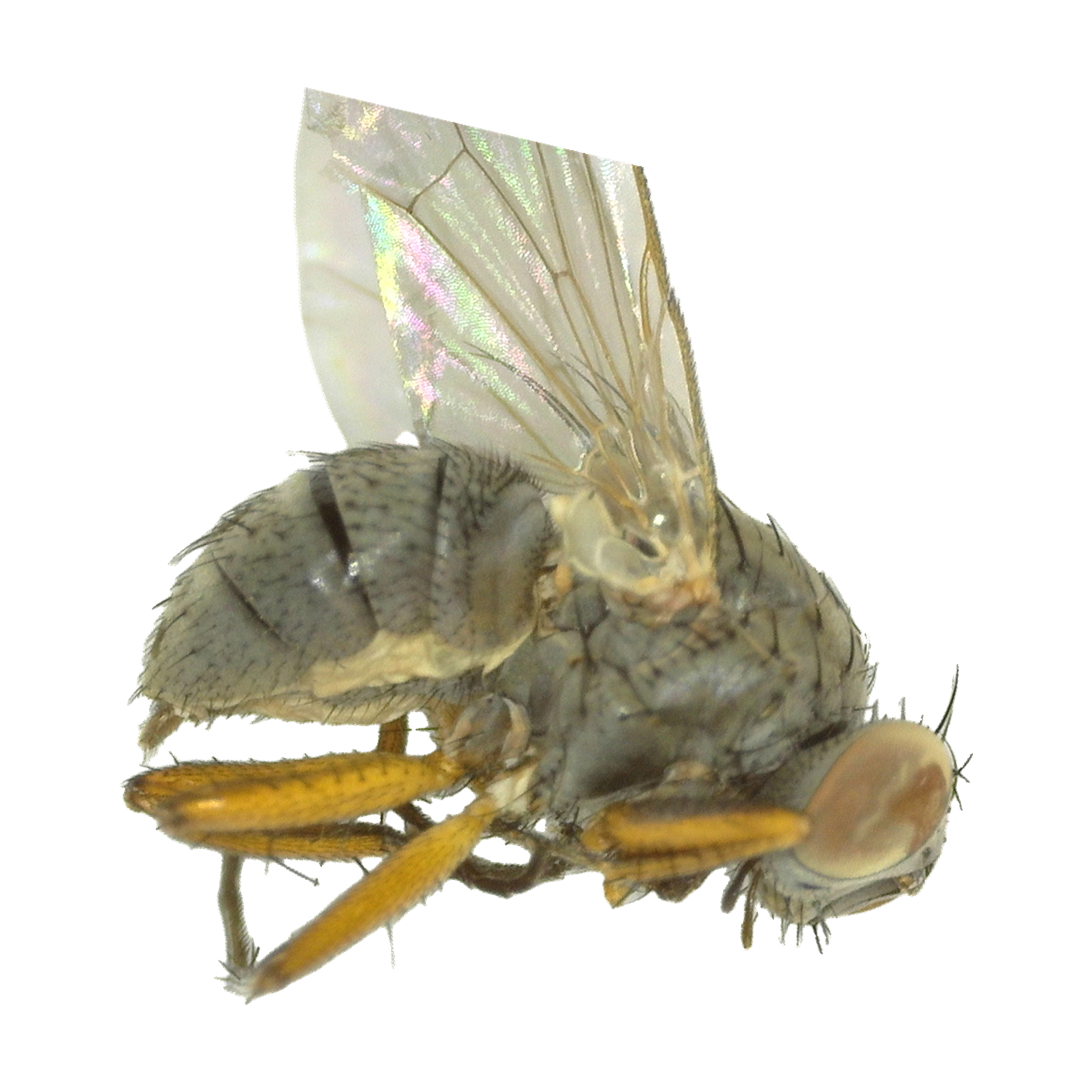
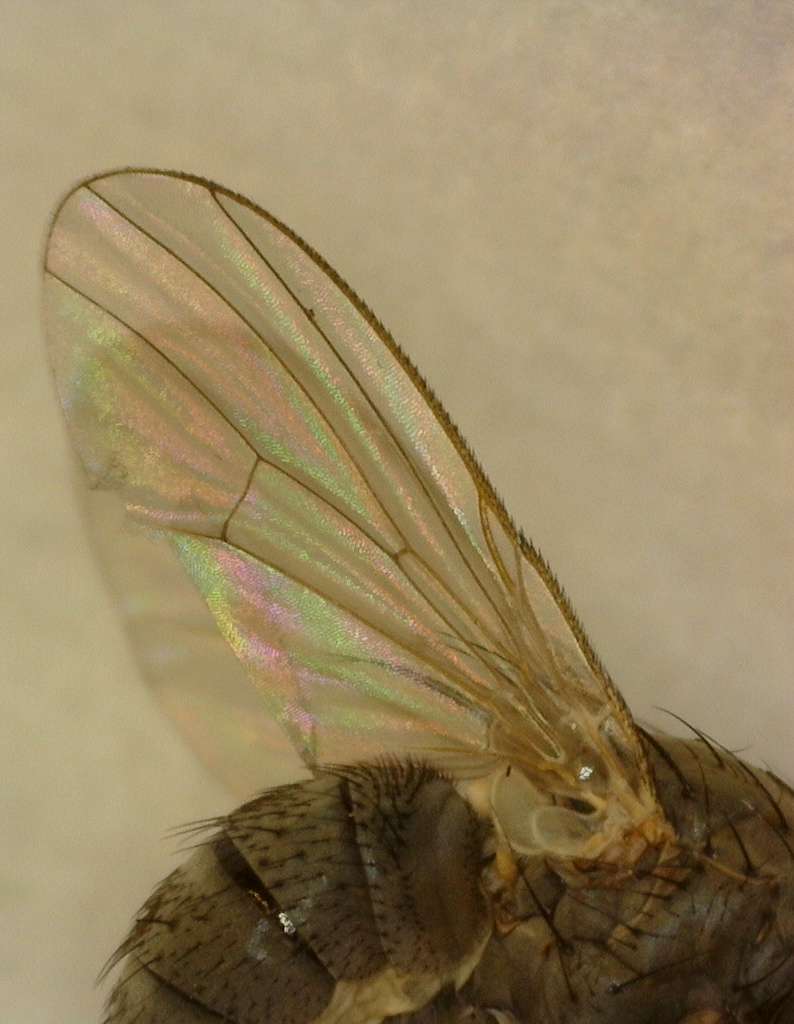
The Muscid Fly in this listing belongs to the genus Neodexiopsis in the family Muscidae. Adults in this genus are usually about 3.5 to 5.5 mm long. They are small muscid flies, often with a light brown to dark brown body and yellow to brown legs. The identification is at the genus level. A sure species identification often requires a closer look than a photo can provide, so this specimen is listed as Neodexiopsis sp.
The genus is found mainly in the Americas, including several species in North America. Adults are often found in forests, pastures, and other open habitats, and they may rest on vegetation or other surfaces. Some of our specimens were collected in Hancock County, Indiana.
Adults in this genus are typically predatory flies. They do not bite or sting people. They are usually seen on vegetation or in open habitats, where they hunt other small insects.
Like other true flies, these muscid flies have complete metamorphosis: egg, larva, pupa, and adult. The immature stages of most species in this genus are poorly known. Adults are usually seen in the warmer months.
These muscid flies are not pests and are harmless to people. They do not bite or sting. Because the adults typically prey on other small insects, they may help reduce some insect numbers. The preserved specimens are used in teaching and collections, and they are a good example of a small muscid fly in the genus Neodexiopsis.
Neodexiopsis Malloch, 1920 belongs to the family Muscidae, the subfamily Coenosiinae, the tribe Coenosiini, and the order Diptera (true flies). There are several species in North America, and more than 80 species worldwide. A sure species identification often requires a closer look than a photo can provide, so this specimen is listed at the genus level as Neodexiopsis sp.
This preserved specimen educates on muscid flies and the genus Neodexiopsis, suitable for displays or studies.
Check it out on BugGuide! https://bugguide.net/node/view/718534/bgimage