
$3.00
 <–
1 in stock
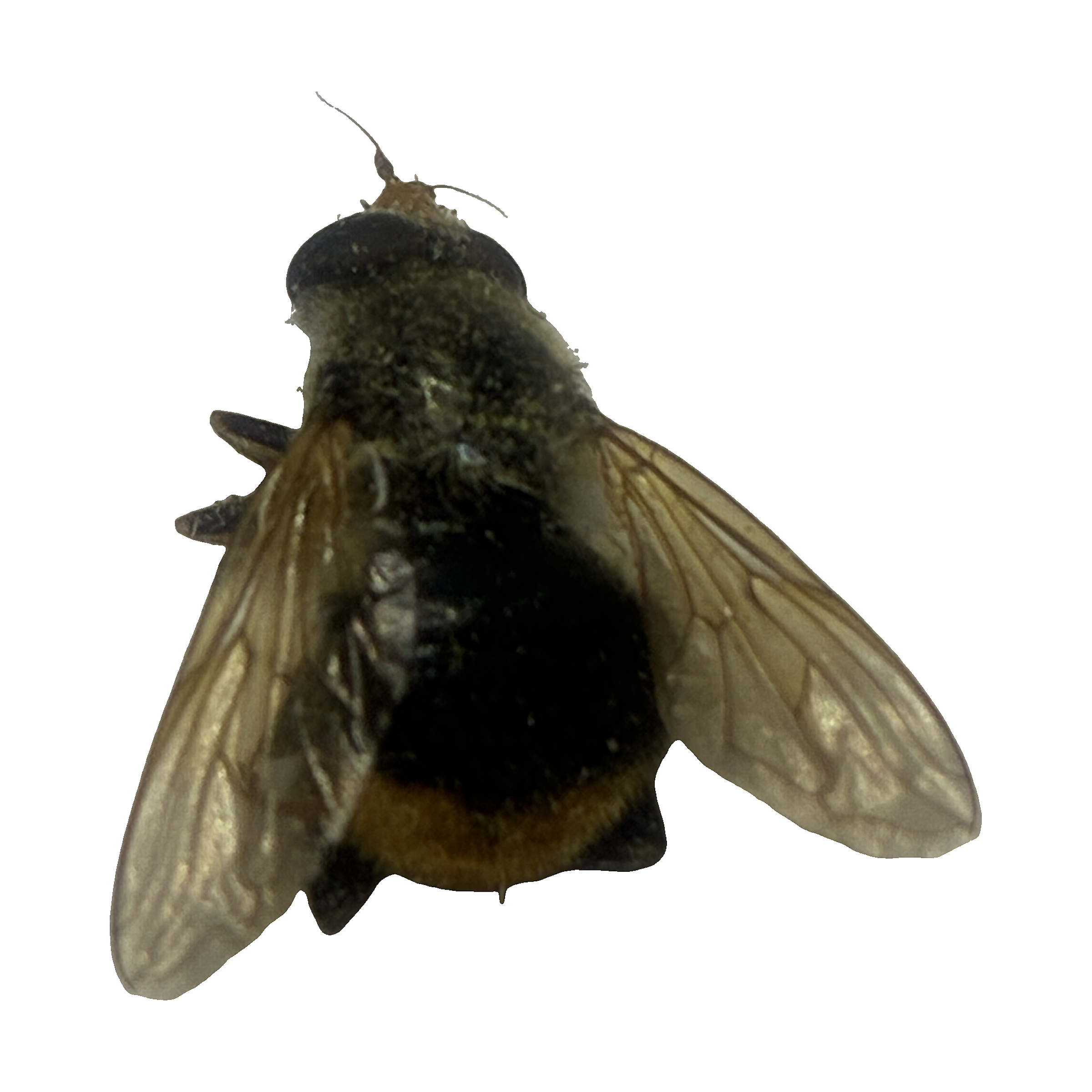
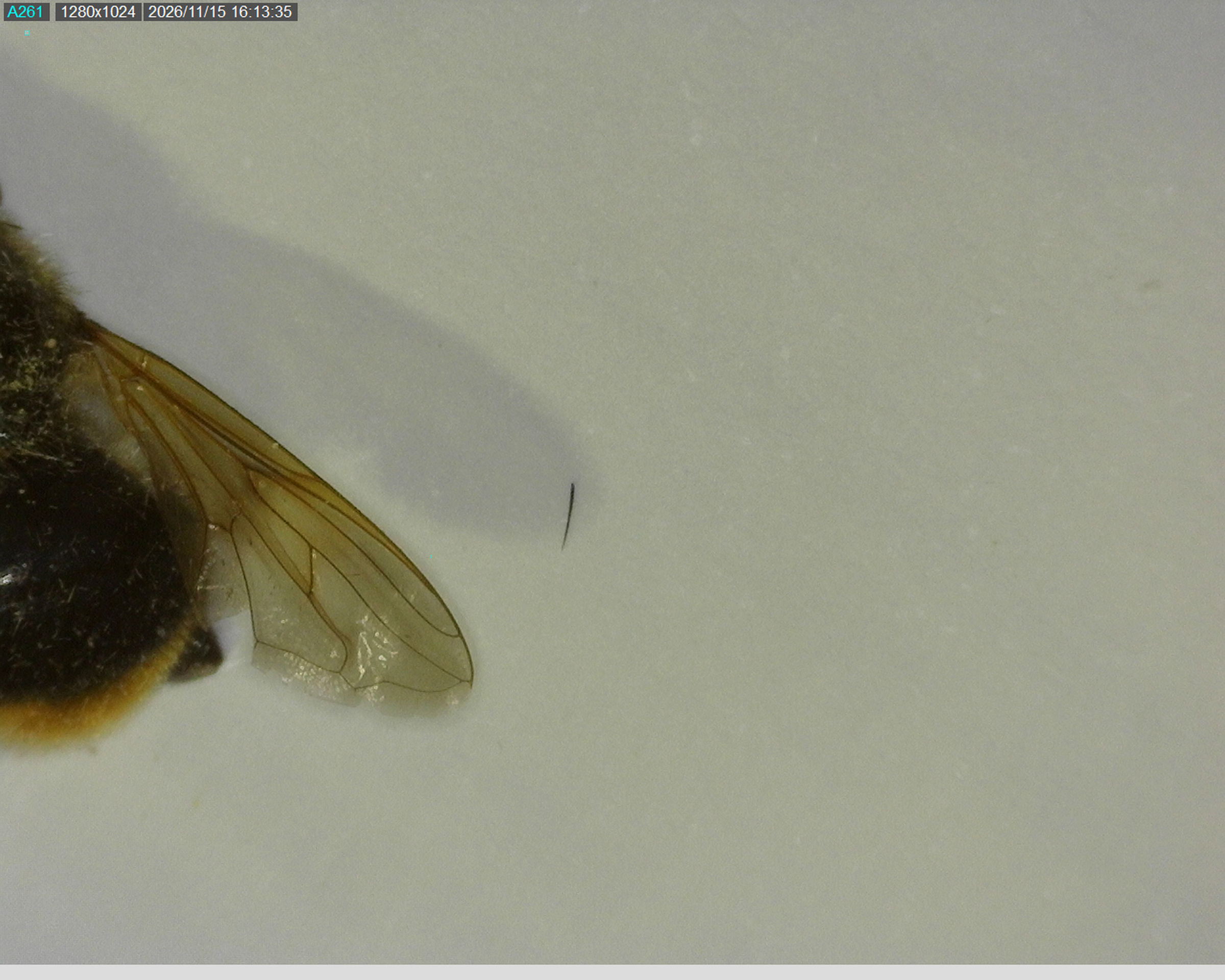
The Tachinid Fly belongs to the genus Tachina in the family Tachinidae, the tachinid flies or parasitic flies. Adults in this genus are typically large, heavily bristled flies. Many are robust and hairy, and some resemble small bumble bees. In North America most species belong to the subgenus Nowickia, and many of those are contrasting orange and yellow. Seven species belong to the subgenus Rhachogaster and are black. This specimen is a robust, fuzzy, bumble-bee-like fly about 12 mm long, measured from the head to the tip of the abdomen. The thorax is densely hairy, the abdomen is black with a yellow-orange band at the tip, and the wings are clear to amber.
Tachina is found worldwide except in tropical Africa and Australasia. In North America it occurs over most of the continent, but it is barely represented in the southeastern United States and is most diverse in the northwest. Adults are often found in open habitats, meadows, woodland edges, and other places where they can visit flowers or find hosts. This specimen was collected in Wisconsin.
Adults visit flowers and feed on nectar. They do not bite people. The larvae are internal parasitoids of other insects. Recorded hosts include moth caterpillars and, for some species, stick insects, cicadas, leaf beetles, and bumble bees.
Like other true flies, tachinid flies have complete metamorphosis: egg, larva, pupa, and adult. The larva develops inside the host and kills it before pupating. Hosts and the details of egg laying vary among species. In much of the range, adults may be collected from spring through fall.
Tachina species are not crop pests and are harmless to people. They do not bite or sting. Because the larvae parasitize caterpillars and some other insects, they can help reduce those host populations. The preserved specimens are used in teaching and collections.
Tachina Meigen, 1803 belongs to the family Tachinidae, the order Diptera (true flies), and the superfamily Oestroidea. In North America there are about 40 species in two subgenera, and worldwide there are about 140 species. BugGuide follows the classification used by specialists at the Canadian National Collection. A sure species identification often requires a closer look than a photo can provide, so this specimen is listed at the genus level as Tachina sp.
This preserved specimen educates on tachinid flies and the genus Tachina, suitable for displays or studies.
Check it out on BugGuide! https://bugguide.net/node/view/24053/bgimage