
$3.00
 <–
1 in stock
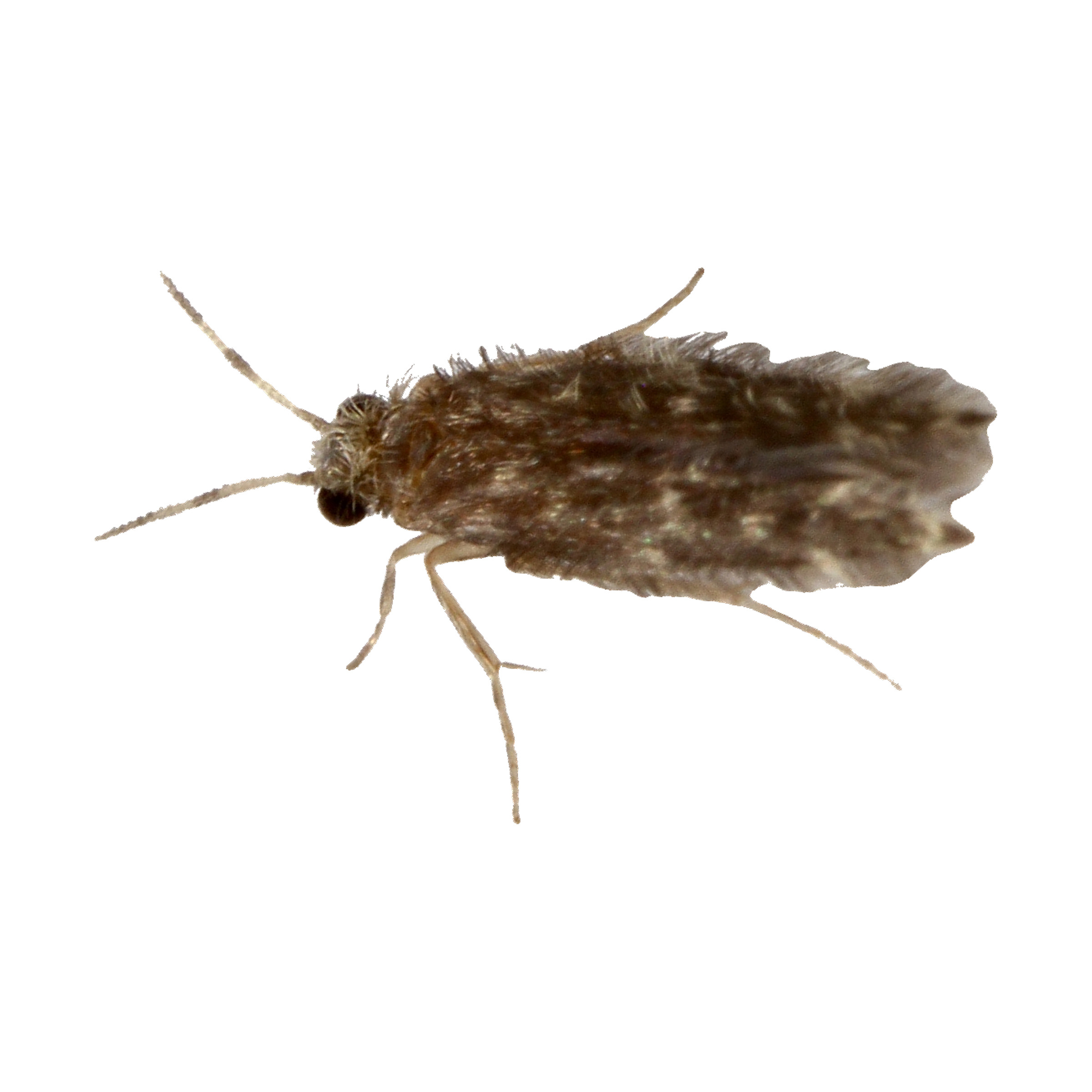
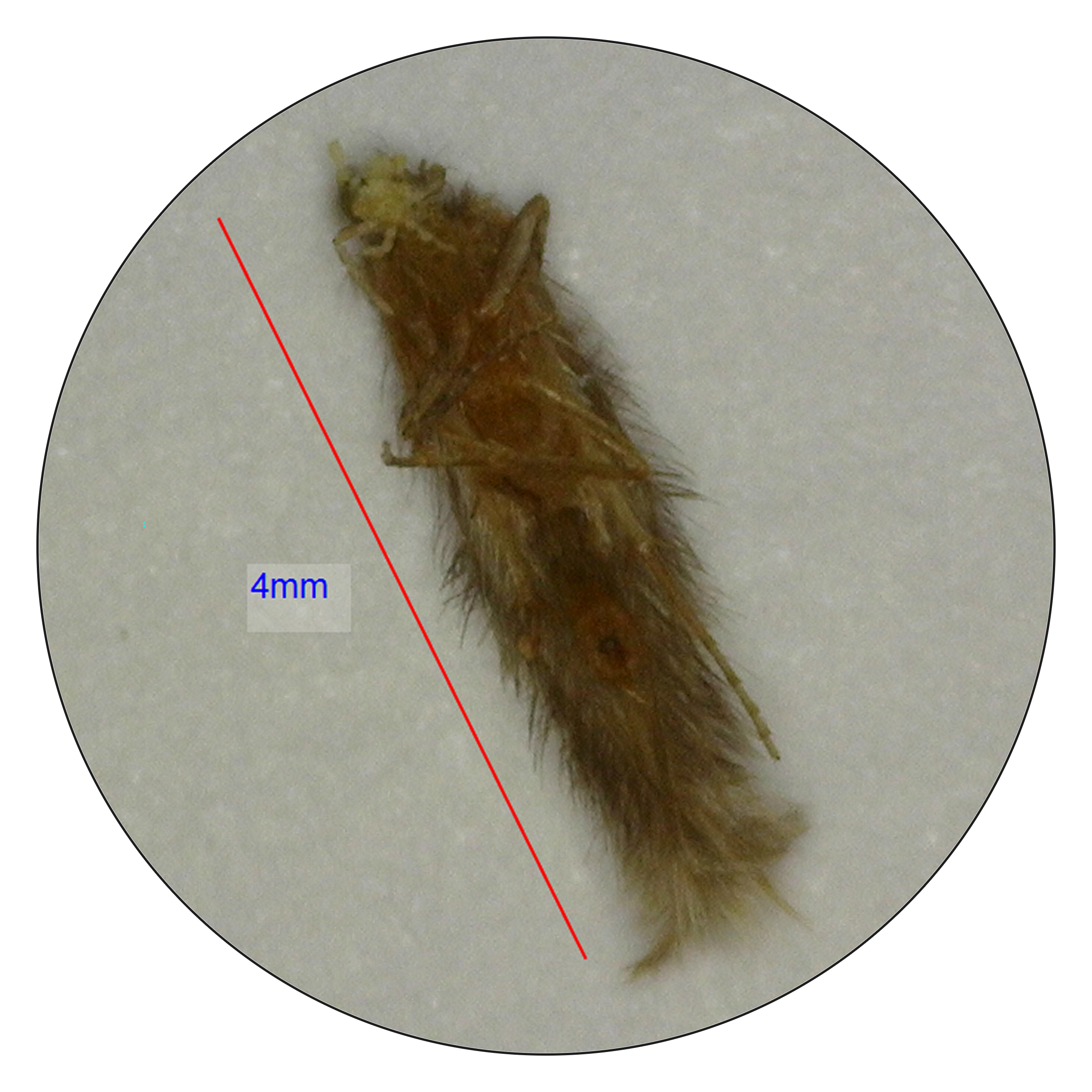
The Micro Caddisfly belongs to the family Hydroptilidae, the smallest family of caddisflies. Adults are often called microcaddisflies or purse-case caddisflies. They are tiny, moth-like insects, usually about 1.5 to 6 mm long. This specimen is about 4 mm long. The wings are densely covered with hairs and usually have a long fringe along the trailing edge, especially on the hind wings. At rest the wings are held roof-like over the body, or sometimes a little more flattened. The body is slender, and the antennae are threadlike, often about as long as the body or a little longer. Colors in the family range from pale tan or golden to mottled brown or black.
Hydroptilidae is found worldwide and throughout North America. The larvae live in a wide range of fresh waters, including streams, rivers, lakes, and ponds. Adults rest on vegetation near the water during the day and fly at night, when they often come to lights. This specimen was collected in Hancock County, Indiana, in April 2024.
Adults are short-lived and are most active after dark. The common name purse-case caddisfly comes from the larva. In most genera the early instars live without a case. In the last instar the larva spins a small, compressed, purse-like or silken case, often covered with sand, algae, or bits of debris, and carries it while it feeds. Some species graze algae from rocks or plants. Others pierce plant cells or feed on other small aquatic life.
Like other caddisflies, microcaddisflies have complete metamorphosis: egg, larva, pupa, and adult. The female lays eggs in or near the water. The larva feeds and, in the last instar, builds its case. When fully grown it seals the case and pupates inside. The adult later crawls out of the water, sheds the pupal skin, and expands its wings. In much of the range, adults may be collected from spring through fall, and some species have more than one generation a year.
Microcaddisflies are not pests. They do not damage crops, stored products, or structures, and they are harmless to people. The larvae are a normal part of stream, river, and lake communities and are useful indicators of freshwater habitat. The preserved specimens are used in teaching and collections.
Hydroptilidae Stephens, 1836 belongs to the order Trichoptera (caddisflies). The family is commonly called the microcaddisflies or purse-case caddisflies. In North America it includes many genera, among them Hydroptila, Ochrotrichia, Oxyethira, Agraylea, Neotrichia, Orthotrichia, Ithytrichia, and Mayatrichia. Genera can be hard to separate from a side photograph alone, because a sure identification often requires a closer look at the wings or, in males, the genitalia. This specimen is therefore listed at the family level as Hydroptilidae.
This preserved specimen educates on caddisflies and the microcaddisfly family, suitable for displays or studies.
Check it out on BugGuide! https://bugguide.net/node/view/118384/bgimage