
$9.95
 <–
1 in stock
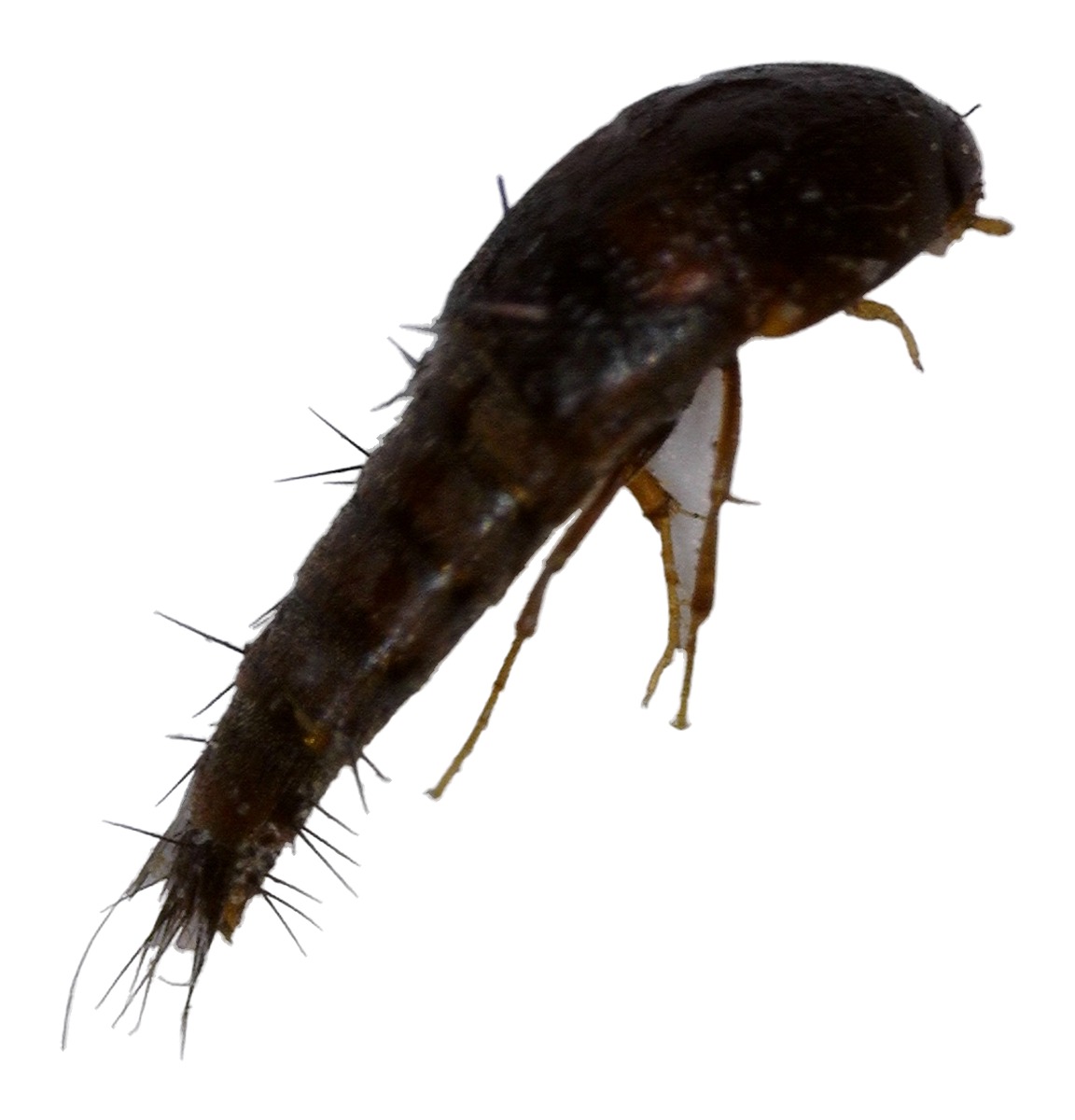
Jumping bristletails are small, wingless insects with a long, tapered body covered in tiny shiny scales, often brown or bronze in color. The thorax is strongly arched, giving them a humpbacked look from the side. They have very large compound eyes that meet on top of the head, long antennae, and long mouthpart palps that look like an extra pair of legs. The abdomen ends in three tail filaments, with the middle one much longer than the two side ones. Small paired appendages called styli run along the ventral side of the abdomen.
Bristletails live in damp, sheltered places such as leaf litter, under bark, on rocks and cliffs covered with lichen and moss, and around fungi. They are found across much of North America and around the world. About 24 species in 9 genera are known north of Mexico, and about 250 species worldwide.
True to their name, they jump. When disturbed, a bristletail snaps its abdomen against the ground and launches itself several centimeters into the air. They are mostly active at night and feed on algae, lichens, mosses, fungi, and decaying plant matter.
No metamorphosis. Young bristletails look like small adults and simply grow larger with each molt. Unlike most insects, they keep molting even after they become adults, and they can live for two years or more. Males leave a sperm packet on a silk thread, and females pick it up.
Harmless. Jumping bristletails do not bite, sting, or damage homes or crops. They help break down decaying plant material and fungi.
Bristletails are among the most primitive living insects. They have never had wings, and their single mandible joint is an ancient trait. The order is called Archaeognatha, meaning “ancient jaws,” and is also known as Microcoryphia. They were once grouped with silverfish in the old order Thysanura.
Our specimen was found in a clump of Honey Mushrooms near Saint James, Missouri.
This preserved specimen is a rarely offered example of one of the oldest insect lineages, ideal for teaching collections and insect order displays. Check it out on BugGuide! https://bugguide.net/node/view/248040/bgimage