Appearance
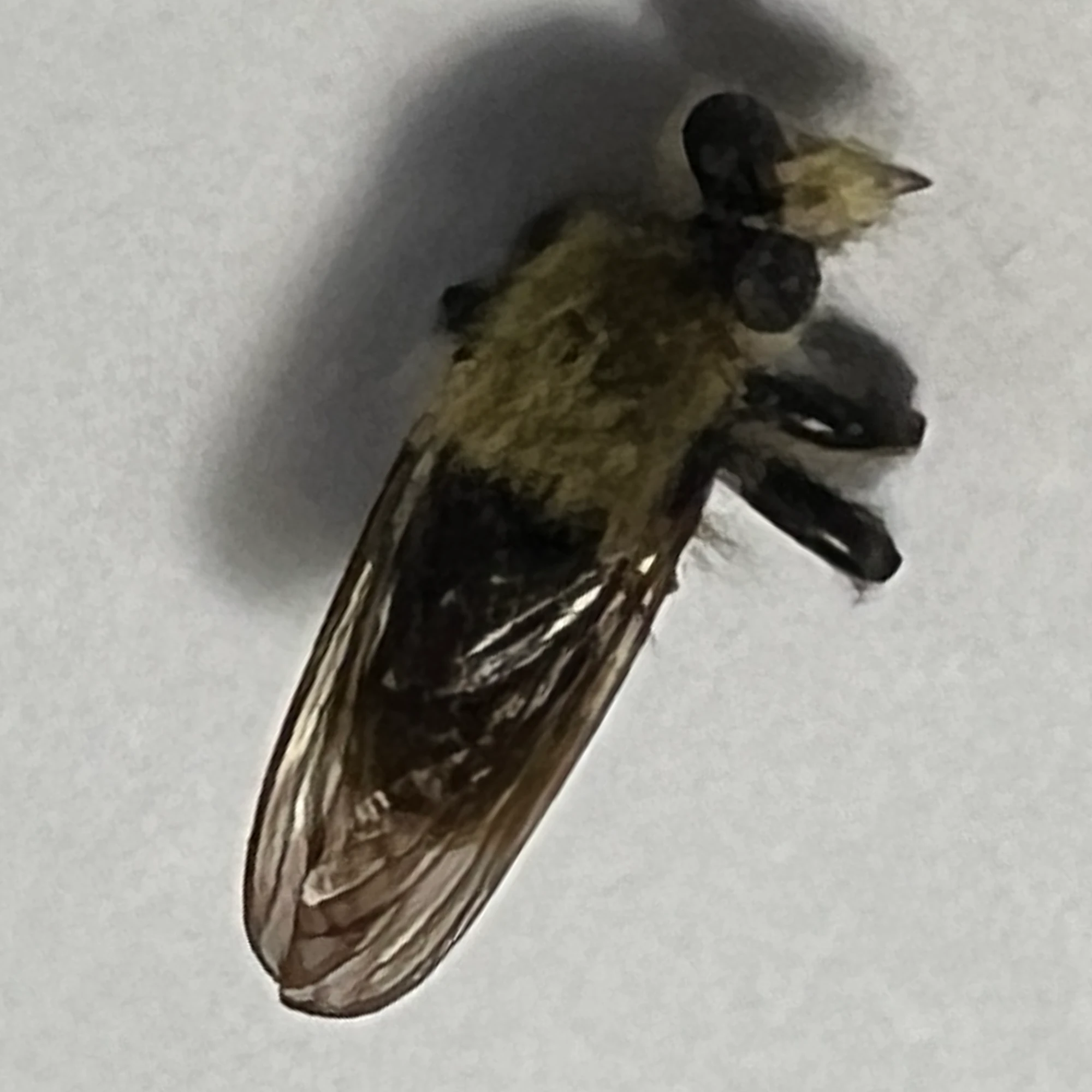
Bee-like Robber Flies display robust, hairy bodies mimicking bumblebees or carpenter bees. Adults measure 10 to 25 mm in length with yellow and black coloration for effective camouflage. Large compound eyes provide excellent vision for hunting. Strong legs grasp prey firmly during flights. Larvae appear maggot-like with tough skins suited for wood boring.
Habitat and Range
This genus thrives in forests, woodlands, and edges with decaying trees. The range spans worldwide, but peaks in Eurasia and North America. In the United States and Canada, 62 species exist. They favor moist, shaded areas near rotten logs or stumps for larval development.
Behavior
Adults act as diurnal ambush predators, perching on foliage to launch aerial attacks on flying insects. They target bees, wasps, and other robber flies with swift precision. Mimicry helps approach prey undetected. Larvae prey on soft-bodied insects within decaying wood, contributing to decomposition processes.
Life Cycle
Females lay eggs on or near rotten wood in spring to summer. Larvae hatch and burrow into decaying substrates, feeding through several instars over months. Pupation occurs under tree bark in protective cases. Adults emerge in warmer seasons to mate and hunt, completing one generation yearly.
Economic Impact
As voracious predators, Bee-like Robber Flies hold beneficial status. They control pest insect populations like bees and flies in natural ecosystems, reducing needs for chemical controls in forestry. No direct harm noted; they support biodiversity without economic costs.
This preserved specimen highlights the bee-mimicking fuzzy body, ideal for predator education and displays. Check it out on BugGuide! https://bugguide.net/node/view/5234

 <—
<—