Appearance
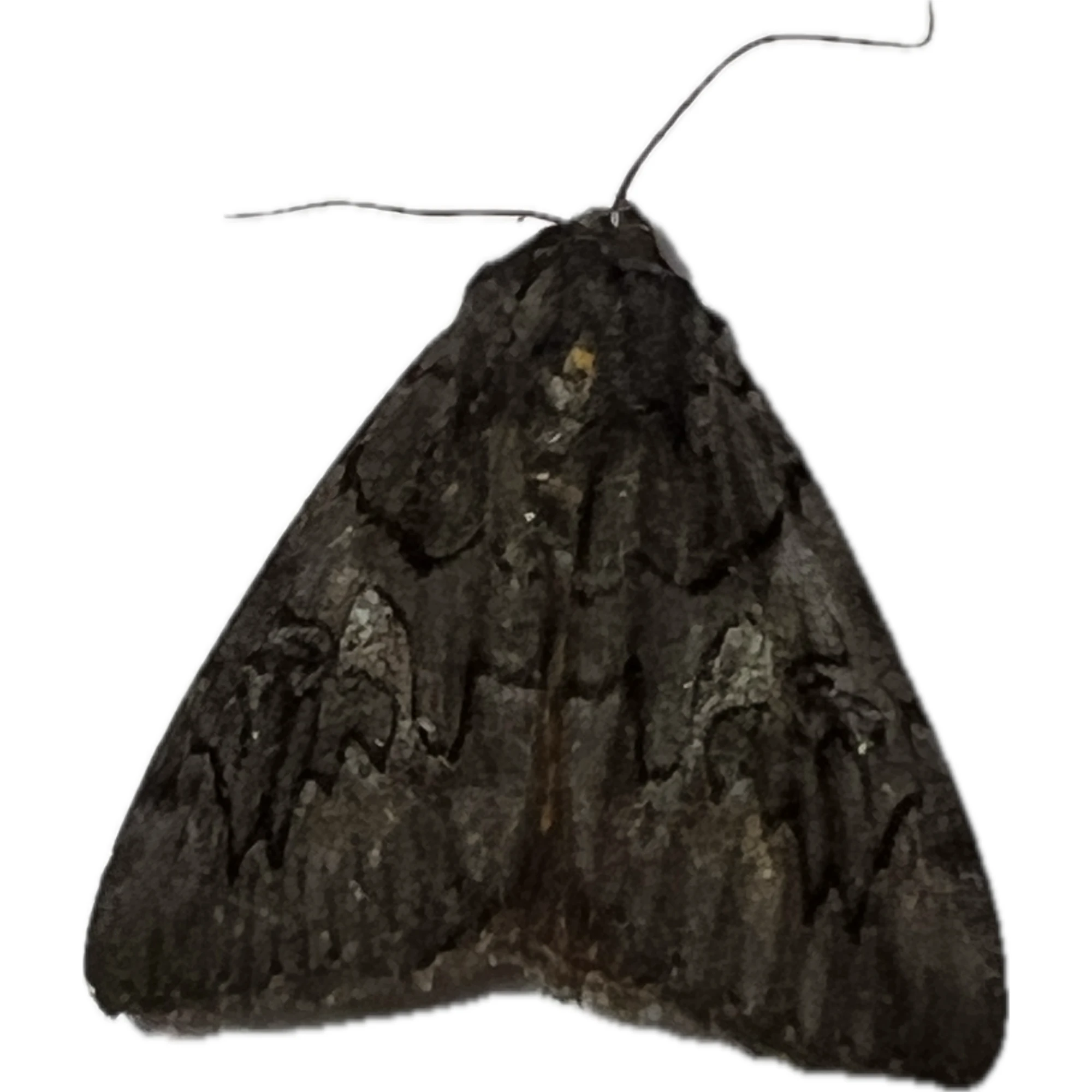
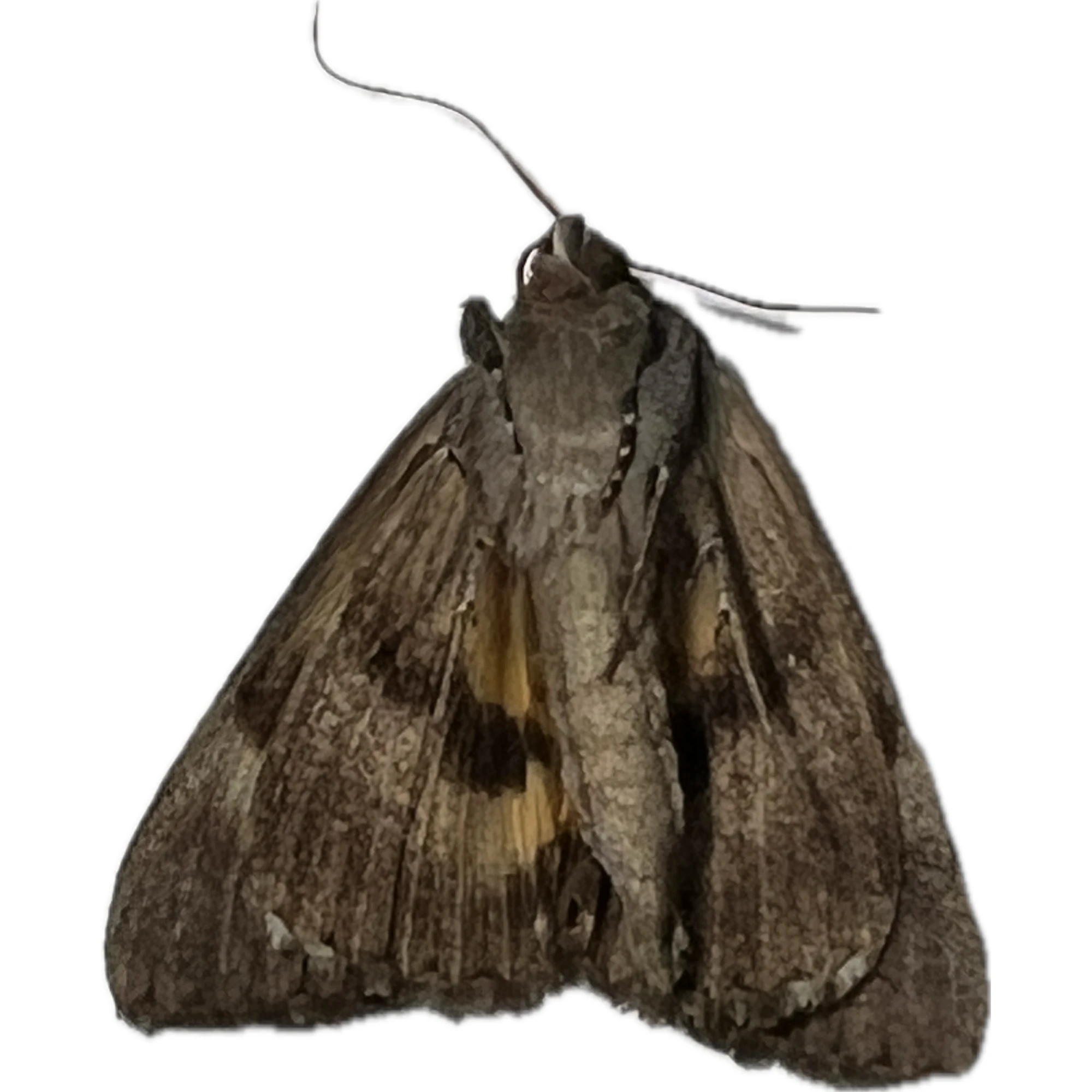
Underwing Moths in genus Catocala grow large and heavy-bodied, with wingspans often 40-75 mm, ranging up to 98 mm. Forewings show dull brownish or grayish tones with wavy, zigzag lines that mimic tree bark for camouflage. Hindwings stay hidden at rest but reveal bold colors like orange, yellow, pink, red, or black bands when flashed. This contrast earns the name from Greek meaning “beautiful below.”
Habitat and Range
These moths inhabit forests, especially deciduous woodlands across North America. The genus spans from Canada to Mexico, with over 100 species north of Mexico. They favor areas rich in host trees for larval development. Adults appear in summer and fall, drawn to lights in wooded regions.
Behavior
Nocturnal by nature, underwings rest on tree trunks during day, blending seamlessly with bark. When disturbed, they fly off or spread forewings to flash startling hindwings, deterring predators before escaping. Adults sip tree sap, fruit juices, or nectar minimally. Many species attract to lights, aiding collection.
Life Cycle
Females lay eggs on bark in late summer. Larvae hatch to feed on deciduous tree leaves like oak, walnut, hickory, or willow. They develop through instars, pupating in leaf litter or soil cocoons. Adults emerge next season for mating. One generation per year dominates in temperate zones.
Economic Impact
Neutral economically, Underwing Moths cause no notable damage to crops or forestry. Larvae feed on wild trees without pest outbreaks. Their beauty supports recreational collecting and education, adding minor positive value to biodiversity awareness.
This preserved specimen highlights the dramatic hindwing flash display, ideal for lepidopteran collections and education. Check it out on BugGuide! https://bugguide.net/node/view/368

 <—
<—