Appearance
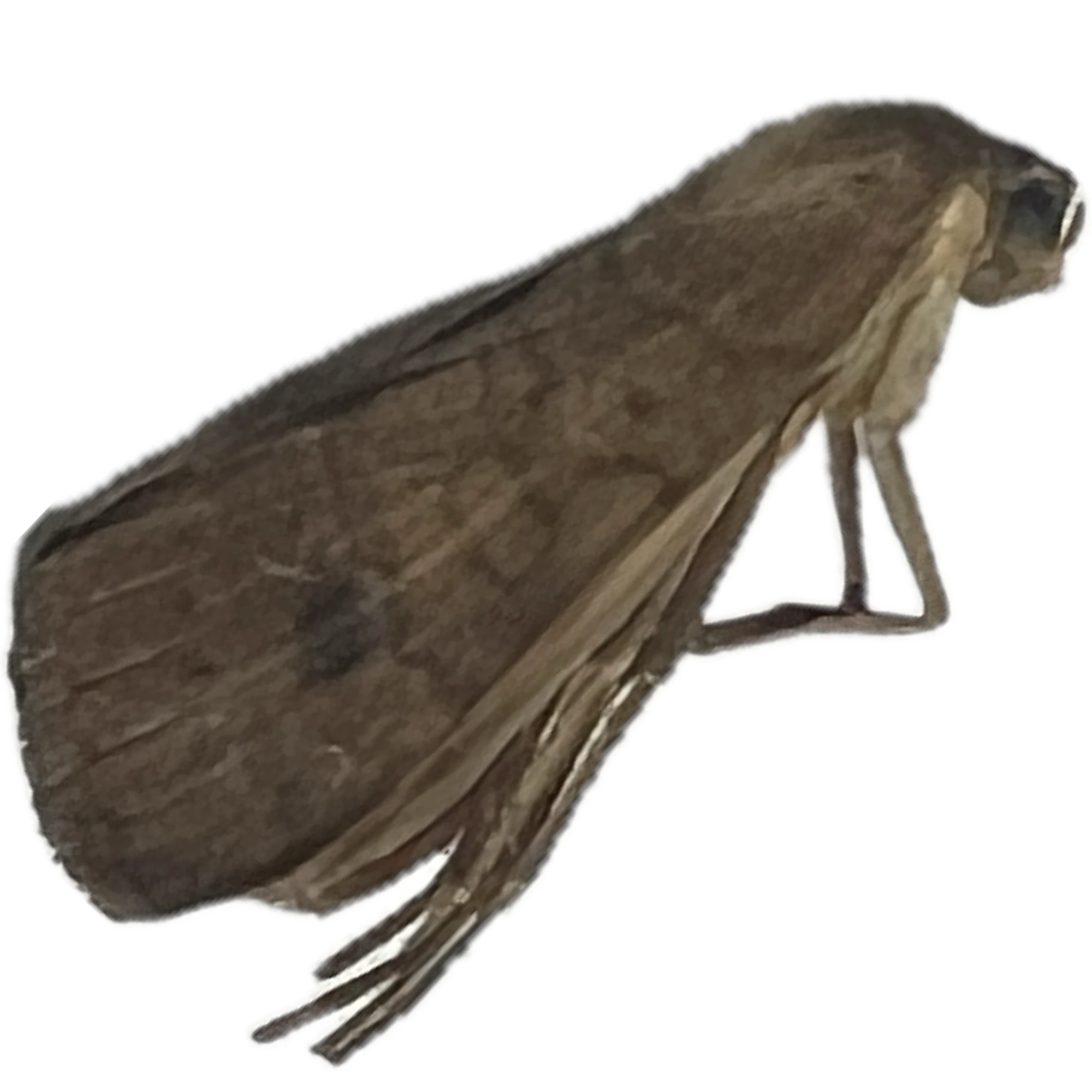
The Vetch Looper Moth adult spans 30-40 mm in wingspan. Forewings appear pale gray with a powdery look from fine speckling. Key markings include a dark antemedial line angled inward, a median line curving around the reniform spot, and a jagged postmedial line. The subterminal area shows diffuse shading. Hindwings stay paler gray with faint lines. Larvae feature looping movement typical of geometrids, with reduced prolegs.
Habitat and Range
This moth inhabits fields, meadows, and open woodlands where host plants grow. Its range covers eastern and central North America from Quebec and Ontario south to Florida, west to Texas and Manitoba. Adults fly primarily in spring and early summer, with records from March to July peaking in May-June.
Behavior
Adults fly at night and come to lights readily. They sip nectar from flowers during active periods. Larvae feed on leaves of vetches (Vicia species) and black locust (Robinia pseudoacacia), looping as they move due to missing prolegs. This feeding style supports their common name.
Life Cycle
Females lay eggs on host plant leaves in spring. Larvae hatch and feed through summer, pupating in soil or leaf litter. Adults emerge the following spring for mating. One generation occurs per year in most regions, aligning with host plant availability.
Economic Impact
Neutral to minor pest status, as larvae occasionally feed on black locust or vetches without significant agricultural damage. No major crop impacts noted; the species contributes to natural biodiversity without economic costs or benefits.
This preserved specimen highlights the powdery gray wings with dark lines, ideal for noctuid education and collections. Check it out on BugGuide! https://bugguide.net/node/view/21913

 <—
<—