Appearance
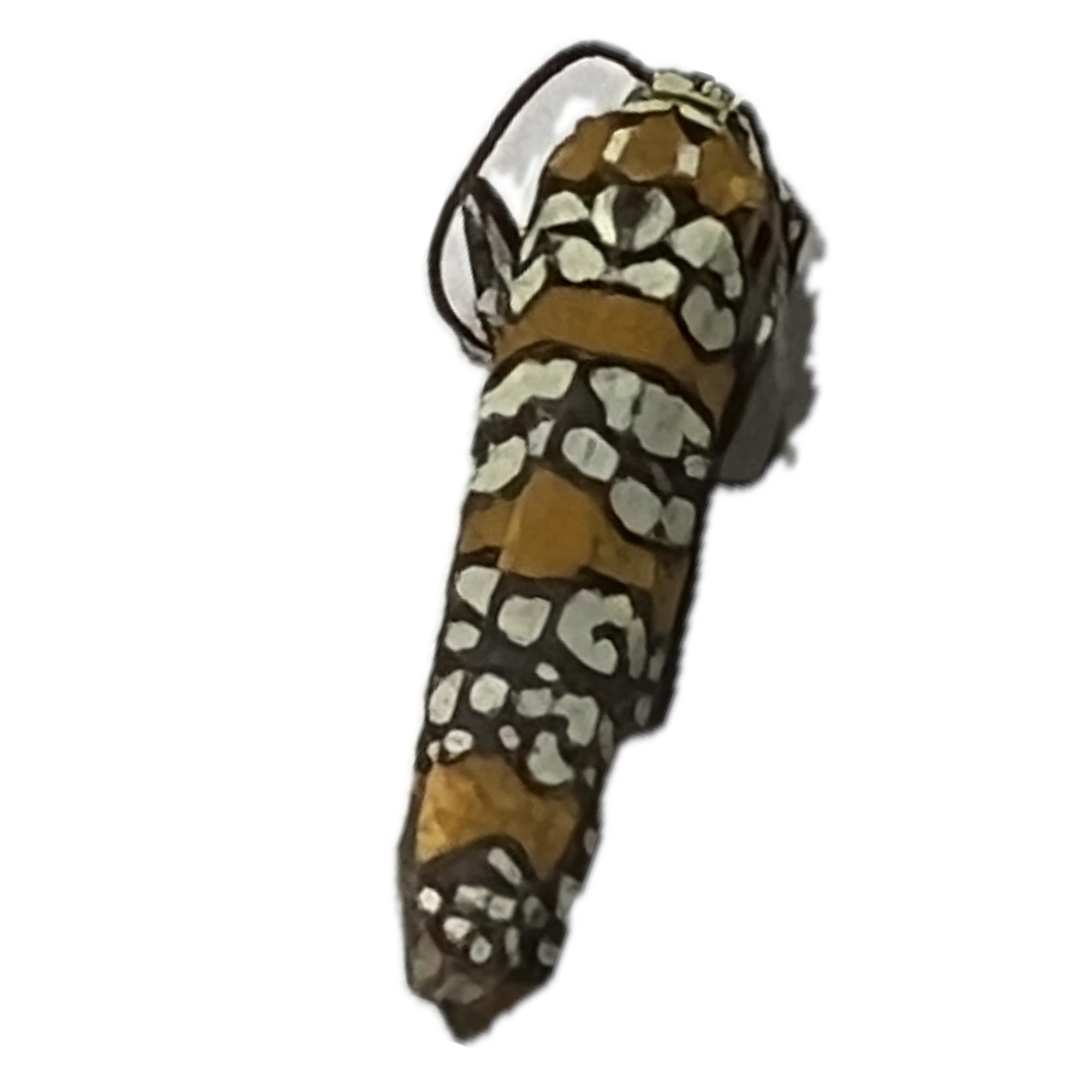
The Ailanthus Webworm Moth displays a wingspan of 20 to 30 mm. Forewings shine bright orange with intricate patterns of black spots edged in white. Hindwings stay narrow and fringed. The body matches the vivid orange tone. This colorful design mimics wasps for protection against predators. Larvae appear gregarious, weaving communal silk webs around foliage.
Habitat and Range
Originally from southern Florida and Neotropics, this moth now thrives across eastern North America to Ontario and Quebec. It follows the spread of its host, the invasive tree-of-heaven (Ailanthus altissima). Habitats include urban areas, roadsides, and disturbed sites where the host tree grows abundantly.
Behavior
Adults fly actively during the day, visiting flowers for nectar. Larvae feed communally inside silk webs on tree-of-heaven leaves, skeletonizing foliage. Multiple generations occur yearly in warmer regions. The species adapts well to human-altered landscapes, expanding with its host plant.
Life Cycle
Females lay eggs on host leaves in clusters. Larvae hatch and spin protective webs, feeding together through several instars. Pupation happens within the web or in leaf litter. Adults emerge to mate, with up to three or four generations per year in southern areas. The cycle ties closely to tree-of-heaven availability.
Economic Impact
As larvae defoliate tree-of-heaven, an invasive species, the Ailanthus Webworm Moth acts beneficially. It helps control this noxious weed without affecting native plants significantly. No major pest status exists; instead, it supports ecological management of invasives.
This preserved specimen highlights the vibrant orange and spotted wings, ideal for invasive species studies and collections. Check it out on BugGuide! https://bugguide.net/node/view/430

 <—
<—