Appearance
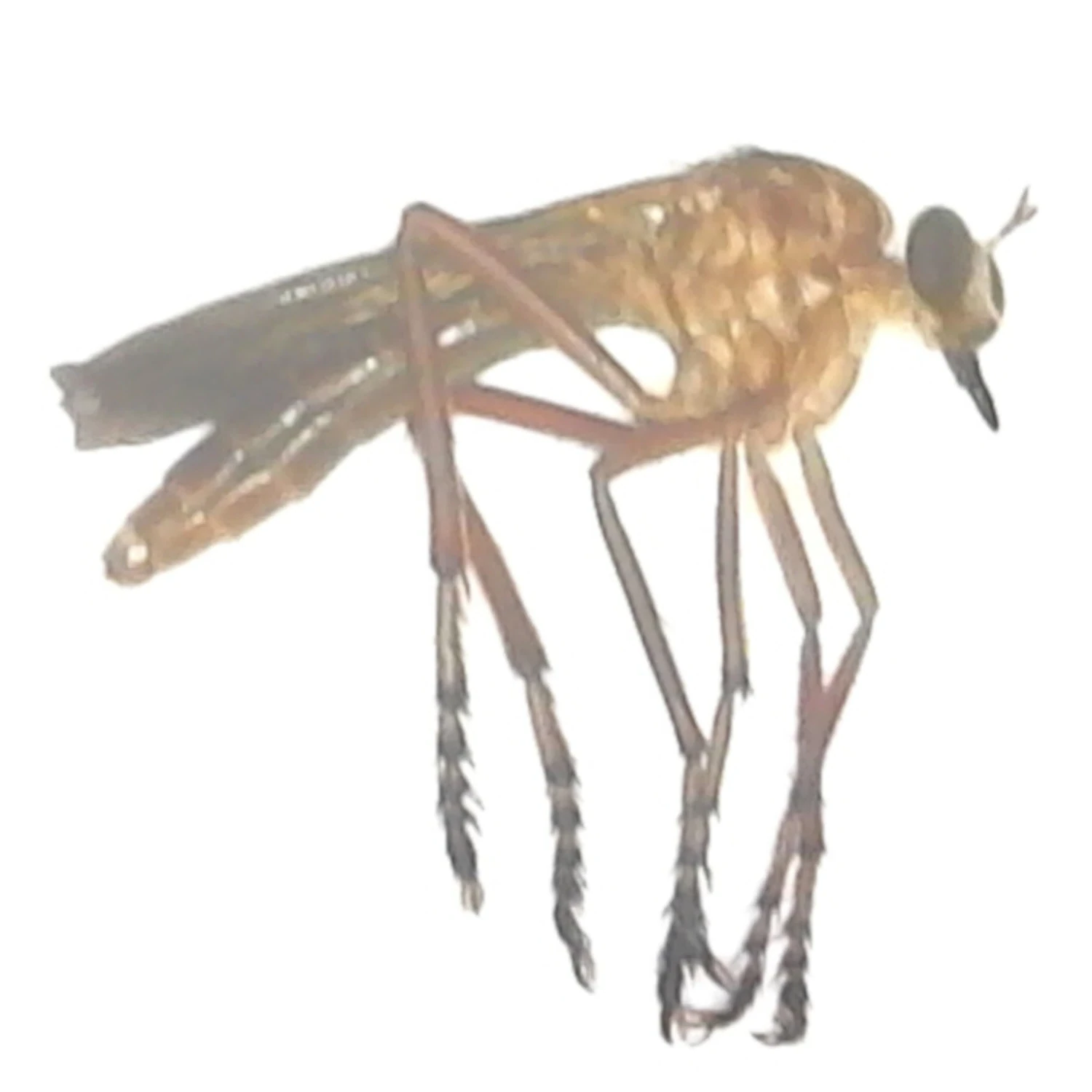
The Prairie Robber Fly spans 15 to 30 mm in length with a golden brown to dark brown body covered in golden tomentum. Narrow wings appear lightly infuscate without distinct markings. The head features a dense mystax of yellowish-white setae, and the abdomen shows diffuse dark patches on tergites 2 to 5, with polished posterior segments. This tomentose coating aids camouflage on dry grasses.
Habitat and Range
This species inhabits open plains, prairies, cotton fields, pastures, and riparian zones with sandy or alluvial soils. It favors agricultural lands, waste areas, and shrubby vegetation along stream beds. The range covers central and western North America from southeastern Oregon and North Dakota south to northern Mexico, including states like Texas, Colorado, and California.
Behavior
Adults act as ambush predators, perching on tall grasses, shrubs, or branches to launch aerial attacks on flying insects. They hang prey by the front legs while feeding, impaling it with a long proboscis to suck fluids. Strong fliers with high-pitched buzzes, they forage from ground in mornings and show cannibalism, with females often killing males. Prey includes bees, wasps, flies, and grasshoppers.
Life Cycle
Females lay clutches of 5 to 14 eggs in soil using a spined ovipositor to cover them. Larvae develop underground, preying on soil insects and facing risks from tillage. Adults emerge in spring to summer, active from April to November in southern areas, peaking July to September. One generation completes annually, with variable size tied to nutrition.
Economic Impact
As a voracious predator, the Prairie Robber Fly benefits agriculture by controlling pest insects like harvester ants, flies, and grasshoppers in fields and orchards. It reduces reliance on insecticides, though occasional predation on beneficial bees occurs. Overall, it supports natural pest management with positive economic value.
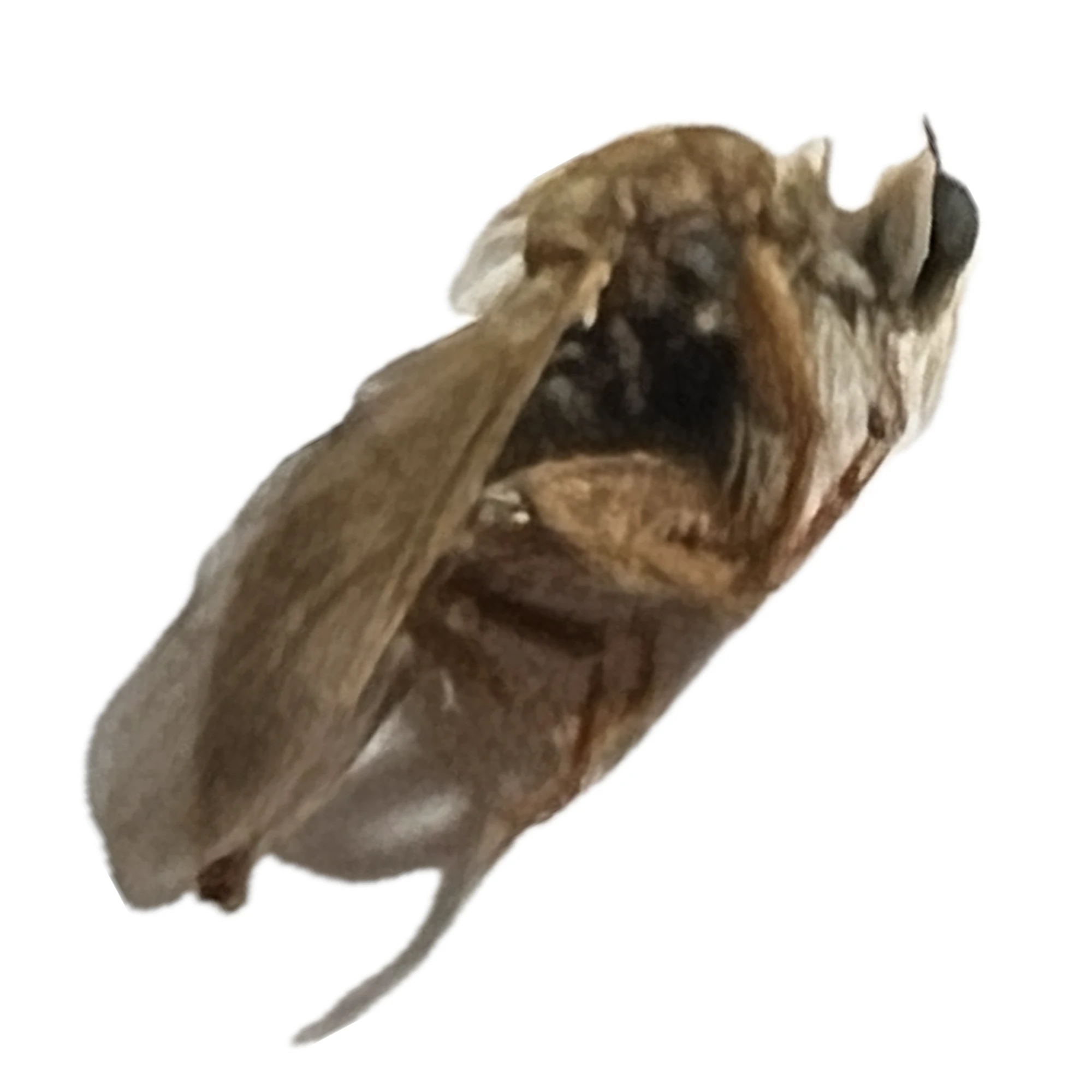
This preserved specimen highlights the hanging thief predation style, ideal for entomology education and displays. Check it out on BugGuide! https://bugguide.net/node/view/22624

 <—
<—