Appearance
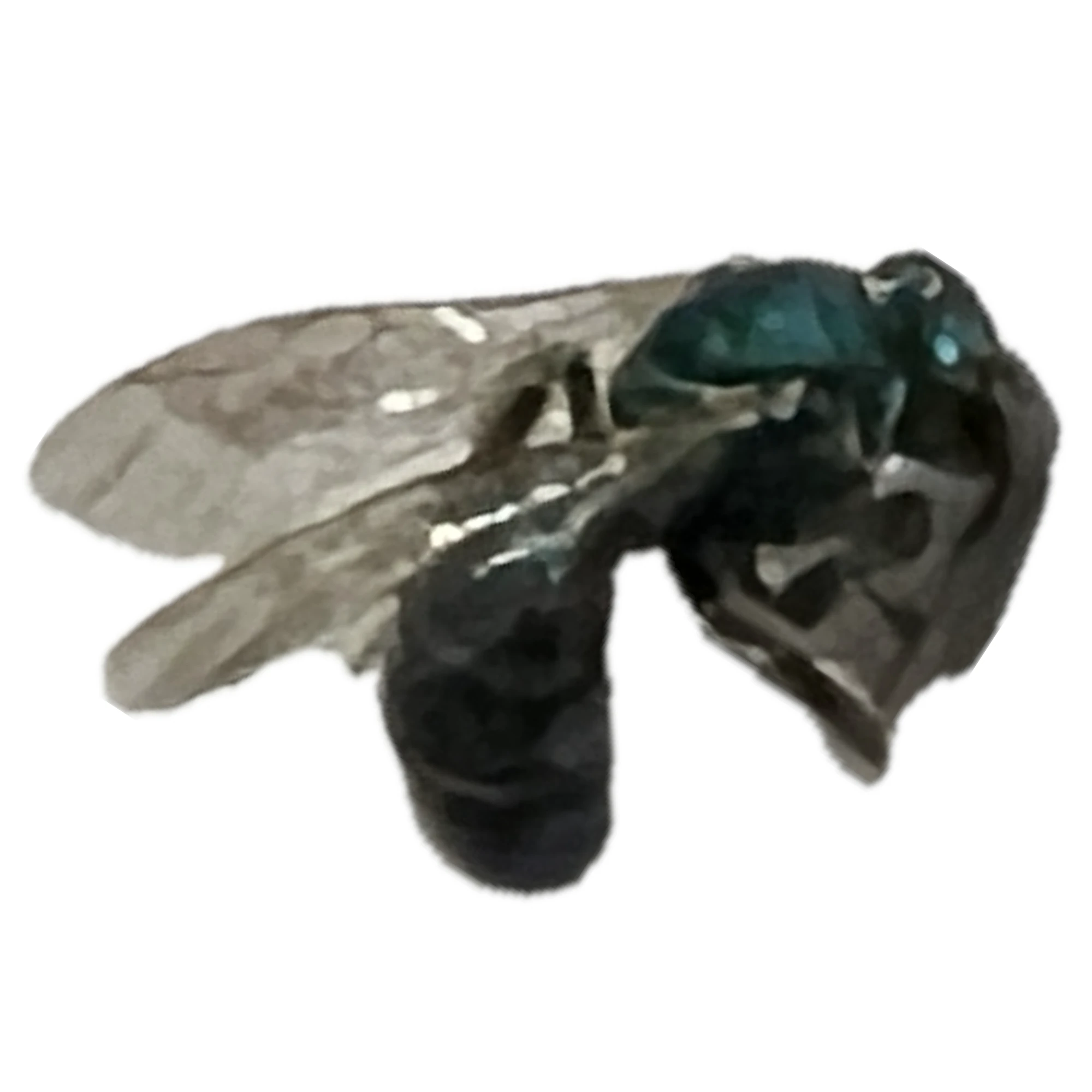
Mason Bees in genus Osmia measure 8 to 15 mm in length. They display metallic green to blue coloration, though some appear all black. The body stays robust without a pygidial plate. A unique arolium sits between front claws for grip. Parapsidal lines form small pits on the thorax.
Habitat and Range
This genus holds Holarctic distribution overall. North America hosts about 150 species in nine subgenera. One species reaches the Neotropics. They thrive in diverse spots from woodlands to gardens. Activity spans early to late spring, starting in January in southwest US and March elsewhere. Some species activate in summer.
Behavior
These solitary bees forage on flowers like Vaccinium species, including blueberries, and other Ericaceae family plants. They collect pollen and nectar for provisions. Nesting occurs in soil burrows, hollow stems, or abandoned mud dauber nests. Females partition brood cells using clay or masticated leaves. They show non-aggressive traits around humans.
Life Cycle
Mason Bees follow a solitary life cycle without social colonies. Females lay eggs in sequential cells within nests during spring. Larvae feed on pollen-nectar paste, pupating in cocoons over summer. Adults emerge next spring to repeat the process. Most complete one generation yearly, with overwintering as pupae.
Economic Impact
Mason Bees serve as highly beneficial pollinators. They excel at pollinating crops like blueberries, apples, and cherries, boosting yields in orchards without needing hives. Their efficiency surpasses honeybees for certain plants. No pest status exists; they promote agriculture and biodiversity with zero notable economic harm.
This preserved specimen highlights the metallic sheen and solitary nesting, ideal for pollinator education and displays. Check it out on BugGuide! https://bugguide.net/node/view/14967

 <—
<—