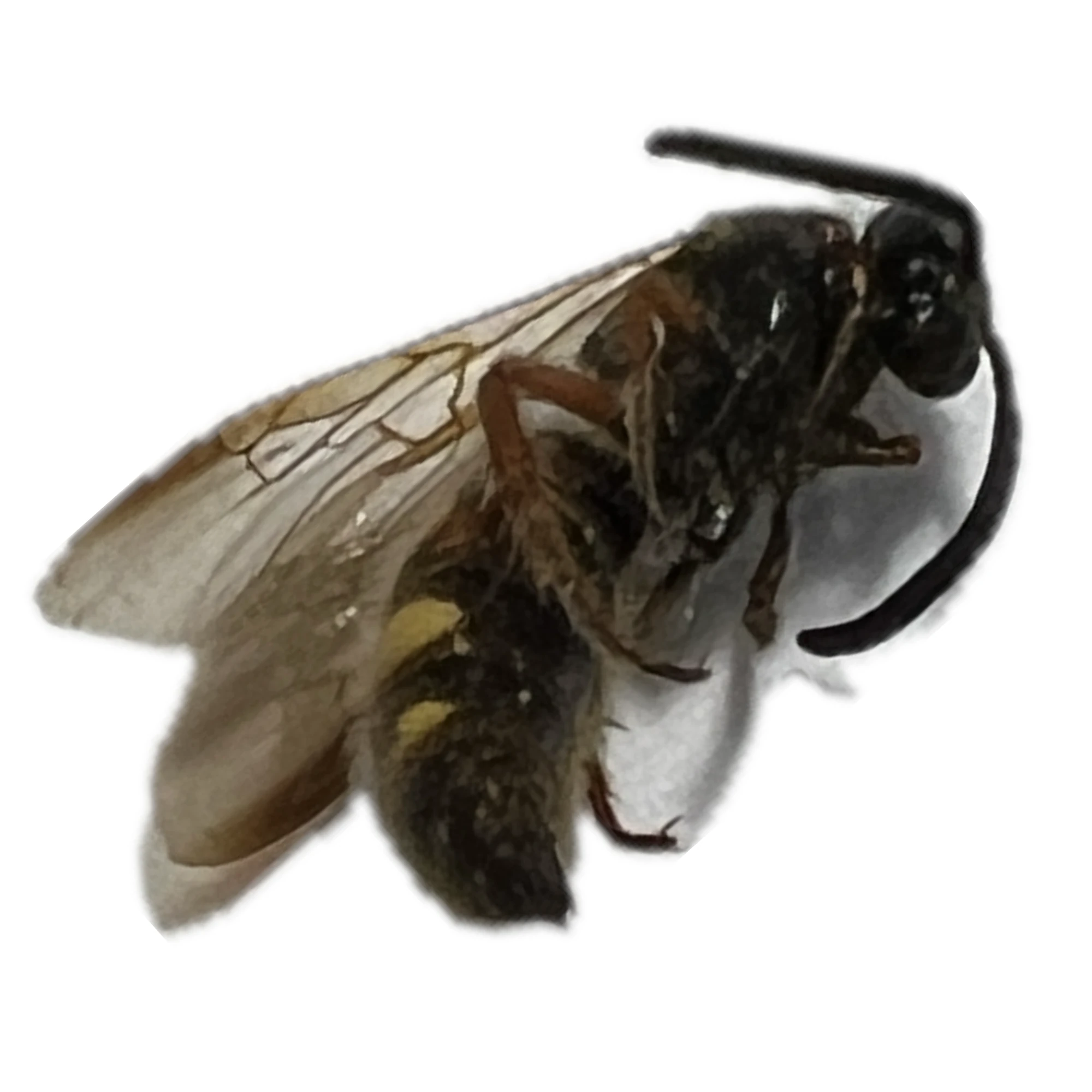
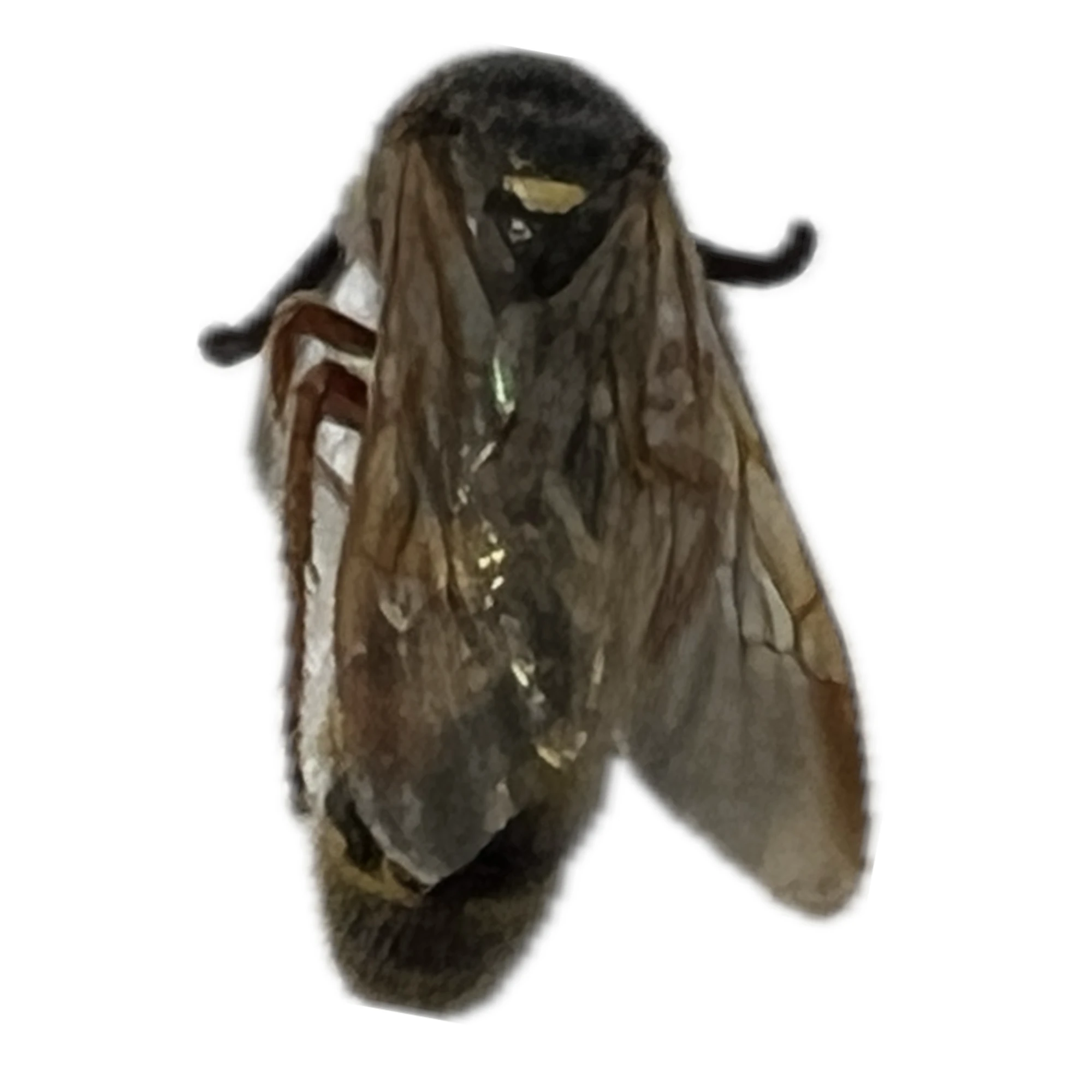
The Noble Scoliid Wasp is Scolia nobilitata. It belongs to the Scoliidae family. This wasp acts as a natural pest controller. It measures 10 to 15 mm long. It has dark wings. Its legs are reddish. The abdomen is mostly black. It features 4 to 6 light yellow or orange spots.
Subspecies vary in markings. S. n. nobilitata has smoky wings. It shows paired spots on T2-T3. Rarely, spots appear on T1. It has variable red markings. S. n. otomita has less smoky wings. T3 to T6 are extensively yellow. T1 and T2 stay unmarked. S. n. tricincta also has less smoky wings. It displays yellow spots on T2 to T4 at least. Spots may fuse into a band on T4.
This wasp lives in sandy meadows. It occupies open habitats. You find it in the upper and lower Austral life zones. Its range covers the southern US. This includes from Massachusetts to Florida. It extends west to Colorado and Texas. It even reaches Ontario. The subspecies reflect regional traits. Nobilitata suits eastern and central areas. Otomita fits the southwest like Arizona and California. Tricincta thrives further west in Colorado and New Mexico.
Adults emerge from June to September. In North Carolina, they peak then. Females hunt for scarab beetle grubs in soil. They lay eggs on or near the grubs. The larvae emerge and burrow into hosts. They feed externally first. Then they consume internally. This kills lawn pests like Japanese beetles. Adults sip nectar from flowers. They aid pollination. They mimic dangerous wasps to avoid threats.
The life cycle is holometabolous. Eggs hatch into larvae. Larvae parasitize grubs. They pupate in soil. Adults emerge in summer. This cycle runs yearly in warm areas.
This preserved specimen highlights this predator. It suits entomology displays. It works for education too. Check it out on BugGuide! https://bugguide.net/node/view/26760

 <—
<—