Appearance
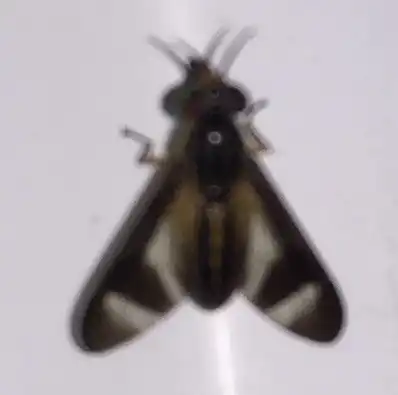
Deer Flies in genus Chrysops reach 6-11 mm in length. They feature dark bodies with striking wing patterns of bands or spots. Eyes appear large and iridescent, often green or gold with zigzag lines. Antennae stay slender and segmented. Females possess scissor-like mouthparts for slicing skin. This bold patterning aids species recognition among the diverse genus.
Habitat and Range
These flies thrive in moist environments like woodlands, marshes, streamsides, and beaches. Females require water bodies for egg-laying. The genus holds worldwide distribution with about 80 species in North America. Peak activity occurs in summer, especially near forests and wetlands across the continent.
Behavior
Females aggressively seek blood meals from mammals, including humans and deer, using painful bites that slice skin and lap pooled blood. Males feed solely on nectar. Both sexes visit flowers for energy. Flies hover persistently around heads, drawn to movement and carbon dioxide. Larvae develop in wet soil or mud as predators.
Life Cycle
Females lay egg masses on vegetation overhanging water. Larvae drop into moist soil, feeding on organic matter and small invertebrates through several instars. Pupation happens in drier soil. Adults emerge in summer for mating and feeding. One to two generations occur yearly depending on climate and location.
Economic Impact
Deer Flies act as pests through painful bites that deter outdoor activities and transmit diseases like tularemia rarely. They annoy livestock and humans in recreational areas. No beneficial roles outweigh nuisance; control relies on repellents and habitat management.
This preserved specimen highlights the distinctive wing patterns and biting mouthparts, ideal for dipteran education and displays. Check it out on BugGuide! https://bugguide.net/node/view/11387

 <—
<—