Appearance
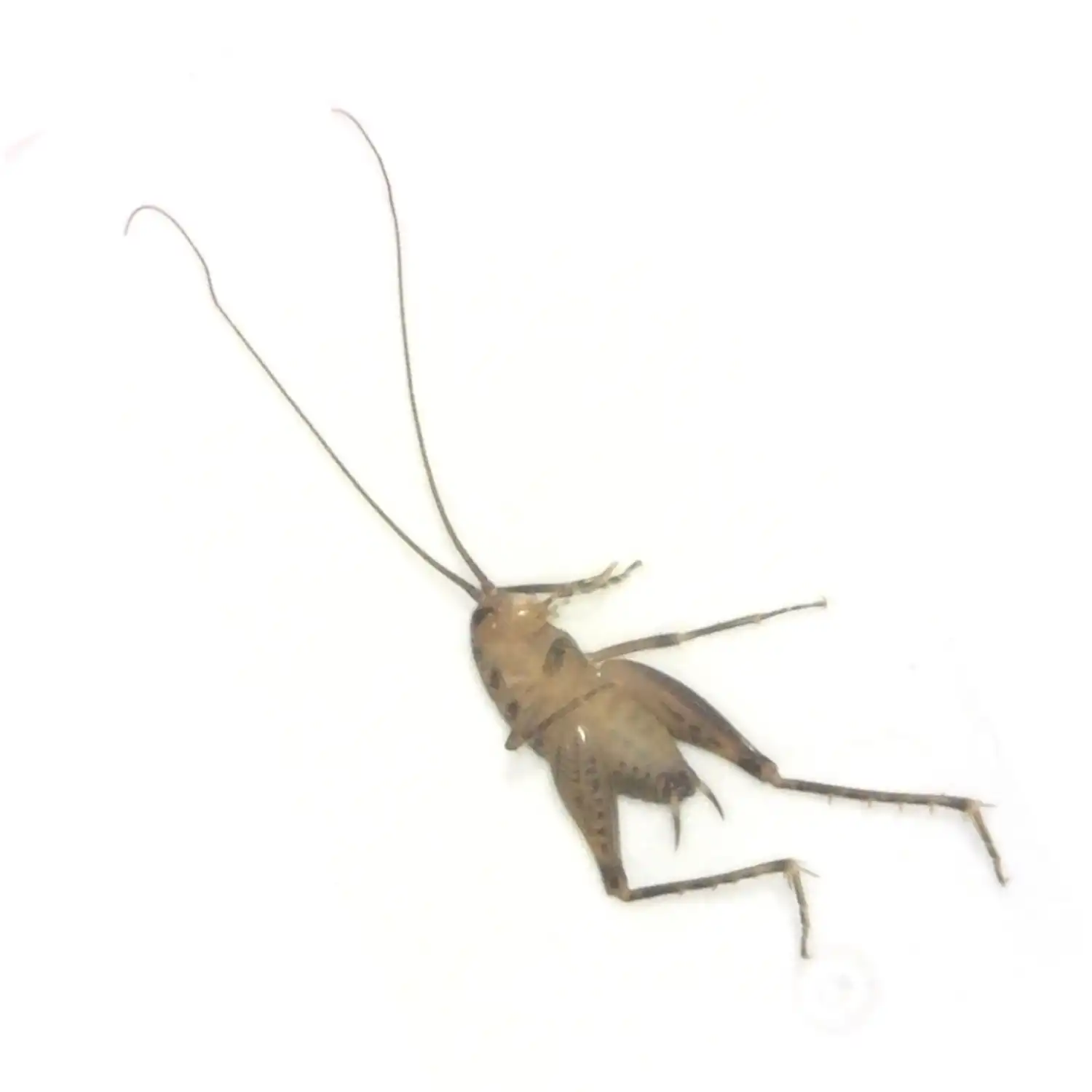
Camel Crickets show long antennae, powerful hind legs for jumping, and a distinctive humped thorax that gives a camel-like profile. Adults lack wings and sound-producing organs. Body length varies from 10 to 50 mm by species. Coloration ranges from pale tan to dark brown, aiding camouflage in moist, shadowy environments. Nymphs resemble smaller adults without full leg development.
Habitat and Range
These crickets thrive in cool, damp, dark locations like caves, hollow trees, leaf litter, under logs, and rocks. Many species enter human structures such as basements and greenhouses. The family holds worldwide distribution with high diversity in tropics. In North America, genera like Ceuthophilus dominate caves and forests.
Behavior
Nocturnal and omnivorous, they scavenge plant matter, fungi, dead insects, and fabrics indoors. Strong jumping helps evade threats. Some cave species display troglomorphic traits like reduced eyes and pigmentation. They avoid light and dry conditions, clustering in humid spots for moisture.
Life Cycle
Females deposit eggs in soil or crevices using a long ovipositor. Nymphs hatch and undergo incomplete metamorphosis through multiple molts, gradually enlarging. Development spans months to years depending on temperature and food. No adult diapause noted; activity continues year-round in suitable habitats.
Economic Impact
Mostly neutral, camel crickets occasionally damage stored goods or fabrics indoors by chewing. Cave species contribute to ecosystem nutrient cycling without harm. No major agricultural pest status exists; they pose minor nuisance in homes.
This preserved specimen highlights the humped back and long legs, ideal for orthopteran education and displays. Check it out on BugGuide! https://bugguide.net/node/view/153

 <—
<—