Appearance
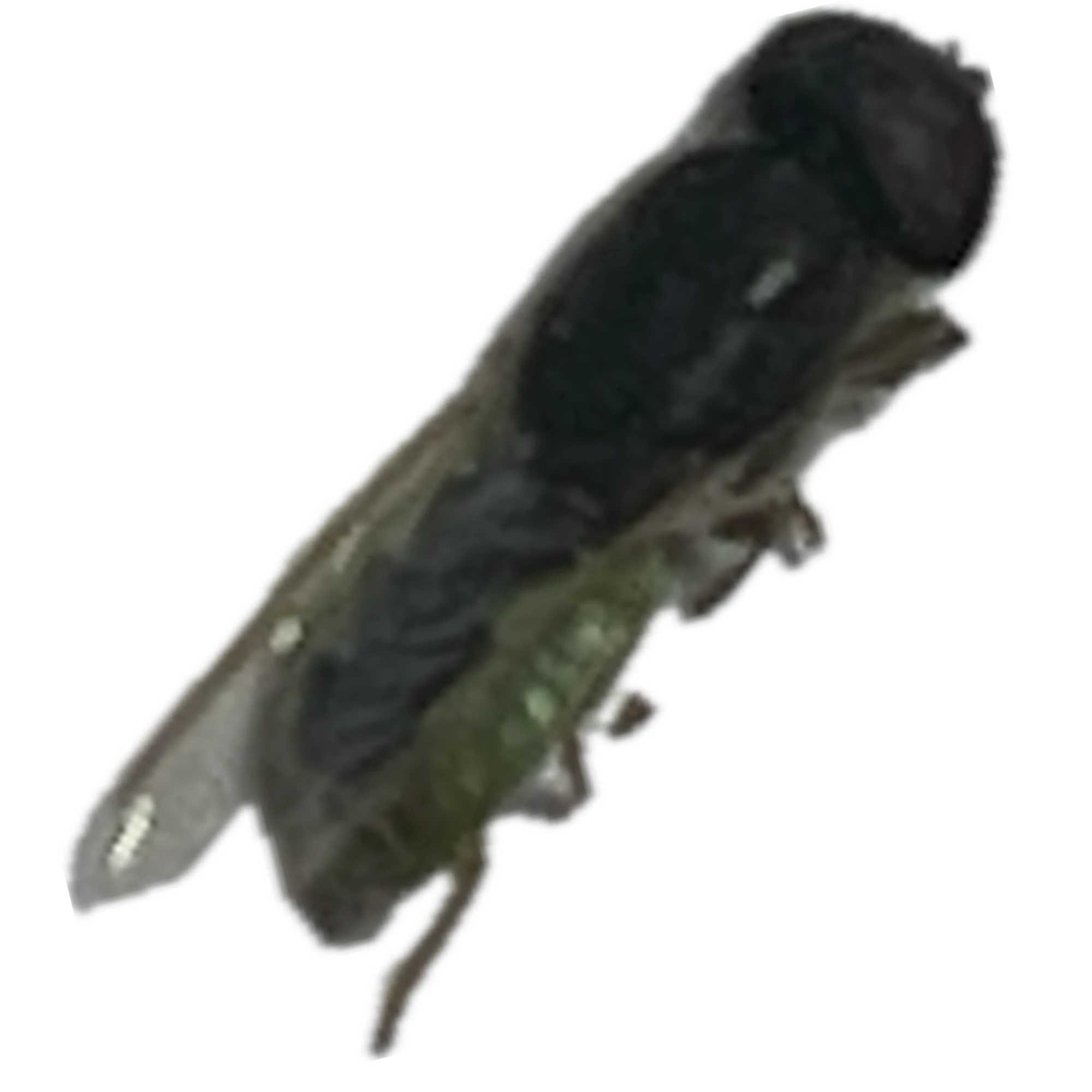
The Soldier Fly Odontomyia sp. grows to 9-12 mm in length. It has a sturdy, wasp-like body with clear wings and a metallic sheen on the thorax. Antennae feature a clubbed tip, typical of soldier flies. Coloration varies from yellow to brown, blending with foliage. These traits help in swift, hovering flight over plants.
Habitat and Range
This genus thrives in woodlands, fields, and meadows, often near streams, ponds, or wetlands. The range covers much of the world, with strong presence in North America. Larvae develop in aquatic environments like shallow waters or moist soil. Adults frequent sunny spots with flowers during spring and summer months.
Behavior
Adults sip nectar from blooms, occasionally visiting dung for minerals. They hover actively, mimicking wasps to deter predators. Larvae dwell underwater, grazing on algae and organic matter. This feeding supports clean water cycles. Peak activity runs from April to June in southern areas and May to July northward.
Life Cycle
Females lay eggs along water edges in clusters. Larvae hatch and submerge, extending their abdomen tips above the surface for air. They molt through several instars while feeding on algae. Pupation happens in soil or debris. Adults emerge after pupal stage, mating soon after. The cycle fits one generation per year in temperate zones.
Economic Impact
Soldier flies like Odontomyia sp. prove beneficial as larvae consume algae, aiding water quality in ponds and streams. This reduces algal blooms without chemicals, supporting aquaculture and environmental health. No pest status noted; they enhance biodiversity with neutral adult impacts.
This preserved specimen highlights the aquatic larval adaptations, ideal for ecology education and displays. Check it out on BugGuide! https://bugguide.net/node/view/7648

 <—
<—